Ceiling Leak Water Damage in Seminole, FL
A stain spreading across the ceiling usually means water from a bath, a pipe or a unit above. The response team traces it, opens the ceiling safely and dries the joists and drywall, 24/7.
(888) 621-2041Ceiling dripping? Call Seminole now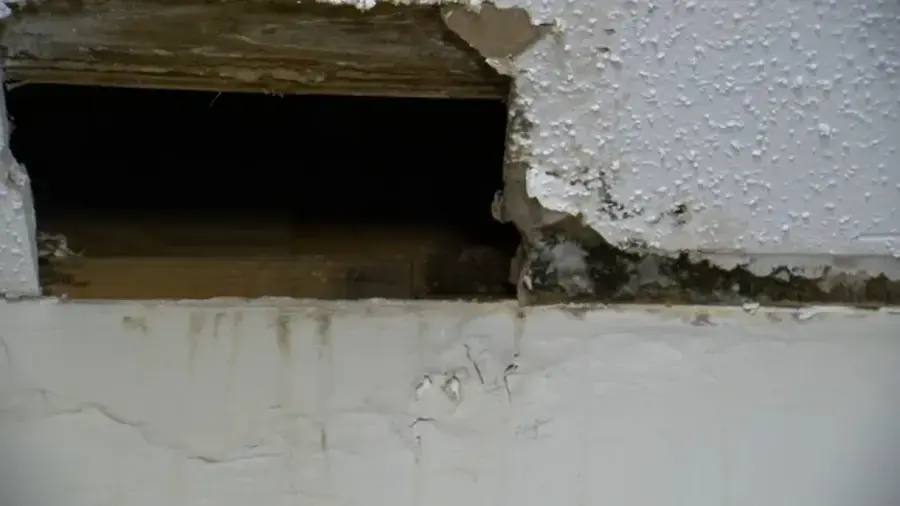
Step by step: ceiling leak water damage in Seminole, FL
Trace
Thermal imaging and meters follow the water from the stain to the source.
Make safe
Power goes off and a sagging ceiling is drained in a controlled way.
Open or dry
Wet drywall and insulation come out, or firm drywall is dried in place.
Verify
Daily readings continue until the joists and drywall reach the dry goal.
First moves for ceiling leak water damage in Seminole
- Shut off the source
Close the fixture shutoff or the main valve if a pipe is leaking.
- Cut power to the room
Switch off breakers for lights and fans near the wet ceiling.
- Stay clear of a sagging ceiling
Move people and furniture out from under any bulge.
- Catch the drips and photograph
Set buckets and record the stain and the fixtures.
- Call for leak tracing and drying
The crew follows the water and dries the ceiling and walls.
What does ceiling leak water damage cost in Seminole, FL?
In Seminole, FL, ceiling leak water damage cleanup typically runs $900 to $6,000, depending on the size of the wet area, whether the ceiling must come down and whether a second unit is involved.
Small stain, dried in place
- Leak traced
- Ceiling dried in place
- Daily readings
Ceiling opened, joists dried
- Wet drywall removed
- Insulation replaced
- Moisture mapping
Collapse or two floors wet
- Two units or levels
- Walls and flooring dried
- Claim documentation
Each figure is a typical range, not a quote. Water category, wet square footage, material class and how soon drying began move the final number. The Seminole water damage cost calculator narrows it for your own loss.
A ceiling leak inside a home or condo usually comes from above the ceiling, not the roof: a shower pan, a toilet seal, a supply pipe in the attic or a neighbor's unit. In many Seminole homes and condos from the 1970s and 1980s, the ceiling is textured popcorn over drywall, which stains fast and soaks up water.
Finding the source of a ceiling leak
- Bathrooms above: shower pans, tub drains, toilet wax rings and supply hoses
- Supply pipes in the attic or between floors
- Air handlers in an attic or a closet above
- A condo unit above: an appliance, a fixture or a pipe in the neighbor's unit
The tech who does the walkthrough uses thermal imaging and meters to follow the water across the ceiling and into the walls, because the stain often shows far from the actual leak.
Ceiling leak safety: water and electricity
Water in a ceiling can reach light fixtures, ceiling fans and wiring. The response team shuts off power to the affected rooms before opening anything. A ceiling sagging with water gets drained in a controlled way so it does not fall on anyone.
Ceiling leaks in two-story homes and condo stacks
In a two-story home, a second-floor bathroom over the kitchen or the living room is a classic source: a failed shower pan or a toilet seal leaks slowly until the stain appears below. In a condo stack, the source often sits in the unit above, so the response team documents both units. The tech checks the floor above with meters to find the wet area, because the stain below can sit several feet away from the source.
How a wet ceiling is dried or replaced
Drywall that is still firm can often be dried in place with air movers and dehumidifiers aimed at the ceiling. Drywall that sags, crumbles or held water for days is cut out, and the joists and the insulation above are dried or replaced. Older textured ceilings are handled with care until the material is checked.
Trade fact: popcorn ceilings applied before the 1980s can contain asbestos, so a sample is tested before the crew cuts or scrapes an older textured ceiling.
The EPA indoor air quality pages explain why damp building materials affect indoor air, and UF/IFAS Extension publishes Florida home moisture advice.
Ceiling Leak Water Damage questions in Seminole, FL
Why is water coming through my ceiling if it did not rain?
Interior sources are common: a shower pan, a toilet seal, a supply pipe in the attic, an air handler above or a neighbor's unit in a condo.
Is it safe to stay under a wet ceiling?
No. A ceiling holding water can fall without warning, and water near light fixtures can be energized. Shut off the power and stay clear.
Can a stained ceiling be dried instead of replaced?
Often yes, if the drywall is still firm and drying starts quickly. Sagging or crumbling drywall is cut out and replaced.
What about older popcorn ceilings?
Textured ceilings applied before the 1980s can contain asbestos, so a sample is tested before the crew cuts or scrapes an older ceiling.
Who pays when the leak came from the condo above?
That depends on the policies, the association documents and where the water came from. Coverage depends on your policy, so check with your own insurer, and keep the leak documentation.
How long does a wet ceiling take to dry?
A firm ceiling often dries in two to four days. Ceilings that were opened need the joists dried and then new drywall, and readings decide when that happens.
Ceiling leak water damage across Seminole, FL
Seminole Water Damage Restoration covers ceiling leak water damage around Lake Seminole and Long Bayou, along Park Boulevard, Seminole Boulevard and Starkey Road, in Bardmoor and Oakhurst, and across ZIP 33772, 33775, 33776 and 33777.
Close by: Largo, Pinellas Park, Kenneth City, Bay Pines, Madeira Beach, Redington Beach, Treasure Island, South Pasadena, St. Petersburg, Clearwater.
Ceiling leaking in Seminole right now?
The response team traces the leak, makes the ceiling safe and dries the joists and drywall to the IICRC S500 standard, 24/7.