Slab Leak Water Damage in Seminole, FL
A pinhole in copper under the slab can wet tile, carpet and wall bottoms for weeks before anyone sees it. The restoration team maps the wet area, lifts what traps water and dries the slab to readings, 24/7.
(888) 621-2041Warm tile or damp grout? Call Seminole now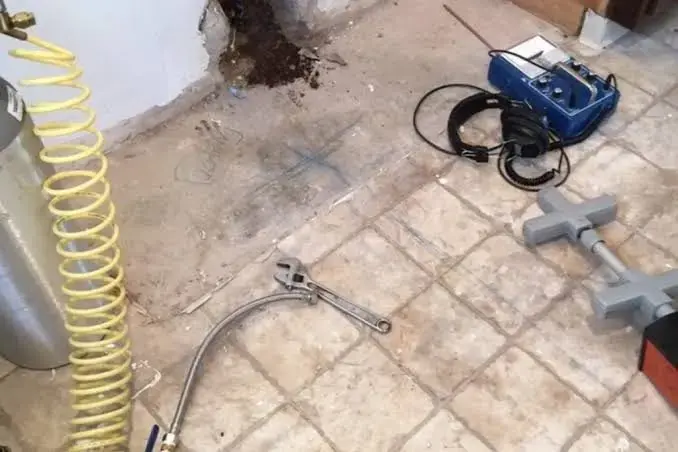
Step by step: slab leak water damage in Seminole, FL
Trace and map
The tech maps wet tile, carpet and wall bottoms with meters and thermal imaging.
Open what traps water
The crew pulls baseboards and removes wet pad, laminate or wood flooring.
Dry the slab
LGR dehumidifiers, air movers and targeted heat or desiccants work on the concrete.
Verify and document
Daily readings continue until the slab and the walls reach the dry goal.
First moves for slab leak water damage in Seminole
- Shut off the water
Close the main valve so the leak stops feeding water under the floor.
- Watch the meter
A meter that keeps moving with every tap closed points to a hidden leak.
- Clear the wet area
Lift loose rugs and move furniture off damp carpet or tile.
- Photograph the damage
Take timestamped photos of stains, warm spots and damp grout before anything is cut.
- Book leak detection and drying
A plumber finds and fixes the pipe while the restoration crew starts drying.
What does slab leak water damage cost in Seminole, FL?
In Seminole, FL, slab leak water damage cleanup typically runs $2,500 to $12,000, not counting the plumbing repair. How far the water spread, the flooring and how long the leak ran move the number most.
Small area, caught early
- Moisture mapping
- Baseboards off, walls dried
- Slab dried under the tile
Several rooms of flooring
- Carpet pad or wood removed
- Slab and wall cavities dried
- Daily drying logs
Long leak, whole-house spread
- Flooring removed across rooms
- Desiccant or heat drying
- Full claim documentation
Each figure is a typical range, not a quote. Water category, wet square footage, material class and how soon drying began move the final number. The Seminole water damage cost calculator narrows it for your own loss.
Many Seminole homes from the 1970s and 1980s sit on concrete slabs, often with copper supply pipe running through or under the floor. Over the decades that copper wears thin where it rubs concrete or rebar, and a pinhole opens. The escaping water rises through the slab, spreads under the flooring and wicks into the bottom of the walls.
Signs of a slab leak in a Seminole home
A slab leak rarely announces itself. Owners usually notice one of these first:
- A warm spot on the tile when the leak is on the hot side
- Damp grout, a wet carpet edge or a musty smell with no visible source
- The sound of running water with every tap closed
- A water bill that jumps, or a meter that keeps turning
The water meter leak test turns two meter readings into gallons an hour, a quick way to confirm that water is escaping somewhere.
How slab leak water damage is handled
A plumber or leak detection specialist pinpoints the break, often with acoustic gear and thermal imaging, then repairs the pipe or reroutes it through the walls or attic. The restoration team handles the water that already escaped. The tech who does the walkthrough maps moisture across the slab and the wall bottoms, so the drying plan covers every wet room, not only the one where the leak surfaced.
Tile that is still firmly stuck to the slab can often stay in place while the concrete dries through the grout joints and edges. Carpet pad, laminate and engineered wood that trap water usually come up. Baseboards come off so the wall cavities can breathe.
Why drying a slab takes patience
Concrete holds water deep inside and gives it up slowly. LGR dehumidifiers pull moisture from the room air, air movers keep air sweeping across the surface, and the drying team adds heat or desiccants on stubborn Class 4 areas. Daily readings show the slab moving toward the dry goal, and the equipment stays until it gets there.
Trade fact: a slab can feel dry on top while the concrete below still reads wet. New flooring laid over a damp slab can cup, buckle or lose its bond, so the final readings matter more than the calendar.
Where slab leak damage shows first in Seminole homes
Supply pipes under a slab run toward the kitchen, the bathrooms, the laundry and the water heater, so damage tends to surface near those rooms. A hot side leak often shows as a warm stretch of tile in a hallway or a bathroom. A cold side leak is harder to feel and usually shows as damp grout, a musty closet or swollen baseboards.
Terrazzo floors, common in older Seminole homes, hide moisture well because the surface looks unchanged until the edges darken or the baseboards stain. Thermal imaging and pinless meters let the tech see the wet pattern under terrazzo and tile before any floor comes up.
Slab leak claims and the paperwork
Many policies treat the water damage from a sudden slab leak differently from the cost of repairing the pipe itself. Coverage depends on your policy, so check with your own insurer. A file with the moisture map, daily logs and timestamped photos helps either way. The EPA WaterSense leak checks cover simple tests owners can run, and Pinellas County Utilities handles meter and billing questions for Seminole homes.
Slab Leak Water Damage questions in Seminole, FL
What causes slab leaks in Seminole homes?
Many Seminole homes from the 1970s and 1980s have copper supply pipe in or under the slab. Age, friction against concrete and water chemistry wear pinholes in that copper over time.
Does a plumber or a restoration company come first?
Both are needed. A plumber or leak detection specialist finds and repairs the pipe, and the restoration crew dries the slab, the flooring and the walls. Drying can start while the repair is scheduled.
Does all the tile have to come up?
Often no. Tile that is still firmly stuck to the slab can stay while the slab dries through the grout and the edges. Loose or cracked tile, laminate and wood flooring that trap water usually come up.
How long does a slab take to dry?
Concrete dries slowly. A small area often dries in four to seven days, and a long leak under several rooms takes longer. The equipment stays until readings reach the dry goal.
Is slab leak damage covered by insurance?
Many policies treat the sudden water damage differently from repairing the pipe itself. Coverage depends on your policy, so check with your own insurer and keep the moisture logs and photos.
How can I check for a slab leak myself?
Close every tap and appliance, read the water meter, wait 30 minutes and read it again. The water meter leak test turns those readings into gallons an hour.
Why is the bottom of the wall stained near the floor?
Water from a slab leak wicks up into the baseboards and the bottom of the drywall. The drying team pulls the baseboards and dries the wall cavity so the stain does not come back.
Slab leak water damage across Seminole, FL
Seminole Water Damage Restoration covers slab leak water damage around Lake Seminole and Long Bayou, along Park Boulevard, Seminole Boulevard and Starkey Road, in Bardmoor and Oakhurst, and across ZIP 33772, 33775, 33776 and 33777.
Close by: Largo, Pinellas Park, Kenneth City, Bay Pines, Madeira Beach, Redington Beach, Treasure Island, South Pasadena, St. Petersburg, Clearwater.
Slab leak in a Seminole home?
The restoration team maps the wet slab, removes what traps water and dries the concrete to the IICRC S500 standard, 24/7.