AC Condensate Leaks in Largo, FL
A plugged condensate drain or a cracked pan sends water into the closet, the attic floor or the ceiling below, sometimes for days before a stain shows. The restoration team, on duty 24/7, finds the path, dries it and documents it.
(888) 621-2041Call about a Largo AC leak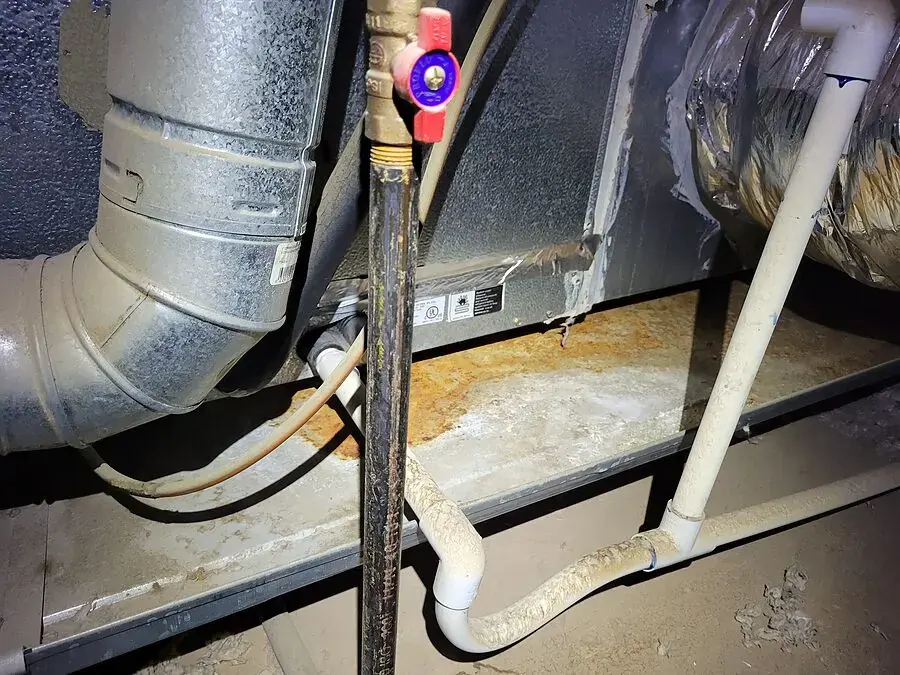
Step by step: AC condensate leak cleanup in Largo, FL
Trace the water path
Meters and a thermal camera follow the water from the pan outward.
Extract and open
Standing water is pulled and wet insulation and drywall come out.
Dry the structure
Air movers and dehumidifiers run on floors, wall bottoms and ceilings.
Verify and document
Readings reach the goal, and photos and logs go to the file.
First moves for AC condensate leak cleanup in Largo
- Turn off the AC
Switch the system off at the thermostat so the unit stops making more water.
- Check the drain pan
Look for standing water in the pan or around the air handler without touching wet wiring.
- Soak up what shows
Use towels on the closet floor and move stored items off damp carpet or tile.
- Photograph the stains
Capture ceiling stains, the pan and the drain before anything is dried or painted.
- Call for a moisture check
Ask for readings in the closet wall, the attic floor and the ceiling below.
What does AC condensate leak cleanup cost in Largo, FL?
A leak caught at the closet floor costs the least. Wet insulation and ceiling drywall raise the price, and a slow leak that reached walls and flooring sits in the top tier.
Closet floor and baseboards
- Water extracted
- Baseboards pulled, wall dried
- Daily readings
Ceiling under an attic unit
- Wet insulation bagged
- Ceiling drywall dried or cut
- Moisture mapping
Slow leak into walls and floor
- Flooring and drywall removed
- Cavity drying
- Claim documentation
Each figure is a typical range, not a quote. Water category, wet square footage, material class and how soon drying began move the final number. The water damage cost calculator narrows it for your own loss.
An air handler pulls water out of humid air whenever it runs, and a drain that clogs with algae or debris sends that water somewhere else. Most AC condensate leaks are slow, so the damage is often hidden in a closet floor, an attic deck or the drywall under a unit before a stain gives it away.
Where condensate water goes
When a pan overflows, water drops to the closet floor, soaks the baseboard and wicks into the wall. With an attic unit it soaks the insulation, then the ceiling drywall below, which can stain, sag or stay hidden.
- Closet floor and baseboards
- Insulation above the ceiling
- Ceiling drywall near the unit
- Wall cavities behind the air handler
Each spot is checked with a meter, because a small stain can sit on top of a much larger wet area.
A slow leak is still a water loss
Condensate is treated as Category 1 or 2 depending on how long the drain was clogged and what the pan held, since standing pans can grow algae and debris. The extraction crew checks the source before choosing how much material comes out.
A float switch or a drain that was cleared recently can still fail, so the cleanup plan looks at what is wet now, not at what should have happened.
Drying a closet, attic floor or ceiling
Wet insulation is bagged out first because it holds water against the drywall. Ceiling drywall that reads wet is cut or dried in place, and baseboards come off so air can reach the wall bottom. Air movers and dehumidifiers then run until the readings drop to the goal.
Trade fact: A dry-looking ceiling can hide wet insulation on top, so the meter, not the paint, decides what stays.
Renters, landlords and shared buildings
About 36.8% of occupied Largo homes are renter-occupied, and about 29.6% of housing units are in buildings with five or more units. When a condensate drain overflows in one unit, the owner, the tenant and the unit below all need a record.
Separate logs for each unit, as in condo water damage jobs, keep the claim clean for every party.
After the air handler is fixed
An HVAC technician clears or replaces the drain so the leak does not return, while the mitigation team handles the water already in the building. If the ceiling below is stained or sagging, ceiling leak water damage work covers that stage. Photos of the pan, the drain and the stained ceiling belong in the file.
AC Condensate Leaks questions in Largo, FL
Why does an AC unit leak water inside a home?
The coil pulls water from humid air, and that water normally exits through a drain. When the drain clogs or the pan cracks, the water has nowhere to go but the closet, attic or ceiling.
Is an AC leak the same as a roof leak?
No. Condensate comes from the system inside the home, not from rain, so there is no storm opening to fix. The drying work is similar, but the source needs an HVAC technician.
Can a slow AC leak cause damage without a visible stain?
Yes. Water can wet insulation above the ceiling or the bottom of a wall for a long time before paint changes. A meter finds it, and a thermal camera shows its edges.
Does insurance cover an AC condensate leak?
Coverage depends on the policy and on whether the leak was sudden or ongoing. Many policies treat long, gradual leaks differently, so dated photos and moisture logs help the adjuster.
What happens to the wet ceiling below an attic unit?
Wet insulation is removed, and the drywall is dried in place if the meter allows it or cut out if it sags. The ceiling leak water damage service covers that stage in detail.
Should the AC stay off until the leak is fixed?
Usually yes, since a running system keeps making condensate. A technician should clear the drain or replace the pan before the system runs again, and the drying equipment should stay in place.
AC condensate leak cleanup across Largo, FL
AC condensate leak cleanup covers homes, apartments and condos across Largo, including Ranchero Village, Bay Ranch, Downtown Largo and the Walsingham Park area, from West Bay Drive to Ulmerton Road and Indian Rocks Road.
The same service nearby: AC condensate leak cleanup in Seminole, Pinellas Park, Kenneth City.
AC water on a Largo ceiling?
The mitigation team works 24/7, finding the wet path, removing soaked insulation and drying the closet, attic floor and ceiling.