Burst Pipe Water Damage in South Pasadena, FL
A split pipe can put a room under water fast and soak the ceiling below. The mitigation team stops the spread with extraction, opened cavities and staged drying, with 24/7 dispatch.
(888) 621-2041Report a burst pipe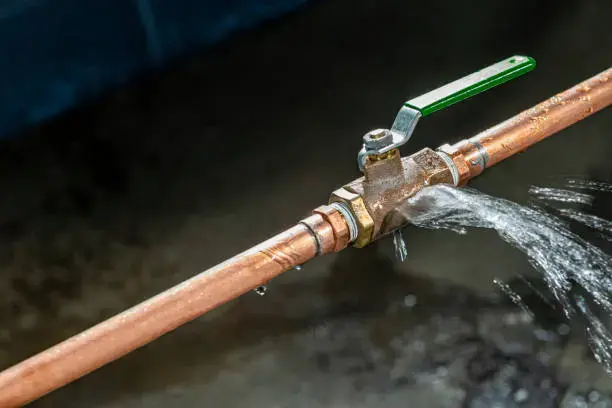
Step by step: burst pipe water damage in South Pasadena, FL
Stop and extract
The valve is closed, then extractors clear standing water.
Open the wet cavities
Sagging ceilings and low wall sections are cut open so cavities can dry.
Dry in stages
LGR dehumidifiers and air movers follow the moisture map and are adjusted daily.
Confirm the dry goal
Every wet surface must reach the dry goal before equipment leaves.
First moves for burst pipe water damage in South Pasadena
- Close the valve
Turn off the main or fixture valve, since running water only adds to the loss.
- Kill power nearby
Switch off breakers for wet outlets and ceiling lights, and avoid fixtures holding water.
- Catch the drips
Set buckets under drips and move furniture out from under wet ceilings.
- Photograph the damage
Record the pipe, the wet ceilings and the floor before cleanup starts.
- Call for extraction
Dispatch runs 24/7, and quick extraction saves more drywall and flooring.
What does burst pipe water damage cost in South Pasadena, FL?
A burst pipe caught fast in one room costs $1,500 to $3,500, walls and ceilings $3,500 to $8,000, and two levels or a condo stack $7,000 to $15,000+.
One room stopped quickly
- Water extracted
- Wall cavity drying
- Daily moisture readings
Walls and ceilings wet
- Wet ceiling drywall out
- Added drying equipment
- Moisture map updated
Two levels or a condo stack
- Units above and below
- Flooring and drywall out
- Claim records per unit
Each figure is a typical range, not a quote. Water category, wet square footage, material class and how soon drying began move the final number. The water damage cost calculator narrows it for your own loss.
A burst pipe releases water by the gallon until the valve is closed, and it follows gravity into ceilings, wall cavities and the rooms below. Housing here skews older, with the median home built in 1978 and 55.4% of units standing before 1980, so supply and drain pipes have years behind them.
How far the water travels
Water from a split pipe rarely stays where it starts:
- Down through the ceiling into the room below
- Along the floor into carpet, pad and wall bottoms
- Into wall cavities behind drywall and insulation
- Across thresholds into hallways and closets
That path is why the mitigation team checks the ceiling below and the walls on both sides of the leak, not only the room where the pipe failed. Damage that arrives from above is covered under ceiling leak water damage.
First priorities at the property
The water is shut off at the main or the fixture before anything else, because extraction cannot keep up with a running pipe. Power to wet outlets and ceiling fixtures is switched off, and any light fixture holding water is left alone until it is checked.
Then the extraction crew pulls standing water, lifts soaked pad and checks ceilings for sagging drywall, which can drop without warning.
If the pipe burst while a unit stood empty, the crew often finds a flooded floor and wet ceilings below, so pumps and extra drying equipment come along.
Opening ceilings and walls
Wet drywall holds water against insulation and framing, so ceilings that sag or stain are cut open and saturated insulation is removed. Walls are opened low, where water collects, and every cut is photographed so the records match what came out.
Trade fact: water inside a wall cavity cannot evaporate on its own, so drywall that looks dry on the surface can still read wet at the studs.
Condo stacks and neighboring units
About 81.5% of South Pasadena housing units are in buildings with five or more units, so a pipe that bursts in one apartment often reaches the unit below. Each unit gets its own moisture map and logs, which helps owners and managers sort out where the water came from and who needs repairs.
Pipe repair, permits and records
The repair is plumbing work, and the city's permit list requires a permit for water pipe replacement. The drying team keeps a dated record of what was shut off, what was removed and how the readings fell, and the water meter leak test helps rule out a second hidden leak.
Burst Pipe Water Damage questions in South Pasadena, FL
What should be done first when a pipe bursts?
Shut off the main valve, switch off power to wet areas and photograph the damage. Then bring in extraction, because water left in drywall, pad and framing keeps spreading.
Do ceilings below a burst pipe need to come down?
Only the wet parts. Sagging or stained drywall is cut open so insulation can be checked and dried, while dry ceiling sections nearby are usually left in place.
What if the pipe burst in a condo above me?
Report it to the building manager, photograph the ceiling and call for a moisture check. Water from one unit often reaches the unit below, and each unit is mapped and logged separately.
How does a burst pipe claim differ from a flood claim?
A burst pipe is a plumbing failure inside the building, a different cause from surge flooding, so policy terms can differ. The cause and the shutoff point go into the records either way.
How long until mold becomes a concern?
Wet drywall and insulation can grow mold within 24 to 48 hours, which is why extraction and opened cavities come before cosmetic repairs.
Can a second hidden leak be ruled out?
A water meter leak test with every fixture off shows whether the meter still moves, which points to another leak after the first pipe is fixed.
Burst pipe water damage across South Pasadena, FL
Burst pipe calls come from condo buildings, villas and houses all over South Pasadena, including the Pasadena Avenue corridor and the neighborhoods of Sun Island and Pasadena Isle, and ceilings below the leak are always checked.
The same service nearby: burst pipe water damage in Seminole, Treasure Island, Kenneth City.
Stop the spread, dry the structure
Extraction, opened cavities and staged drying are planned together, so the ceiling below and the walls beside the leak dry too.