AC Condensate Leaks in Treasure Island, FL
Humid summers and frequent thunderstorms keep air conditioners running hard, and a clogged condensate drain can overflow into a closet, an attic or a ceiling. The drying team extracts, maps and dries the damage 24/7.
(888) 621-2041Get the Treasure Island AC leak checked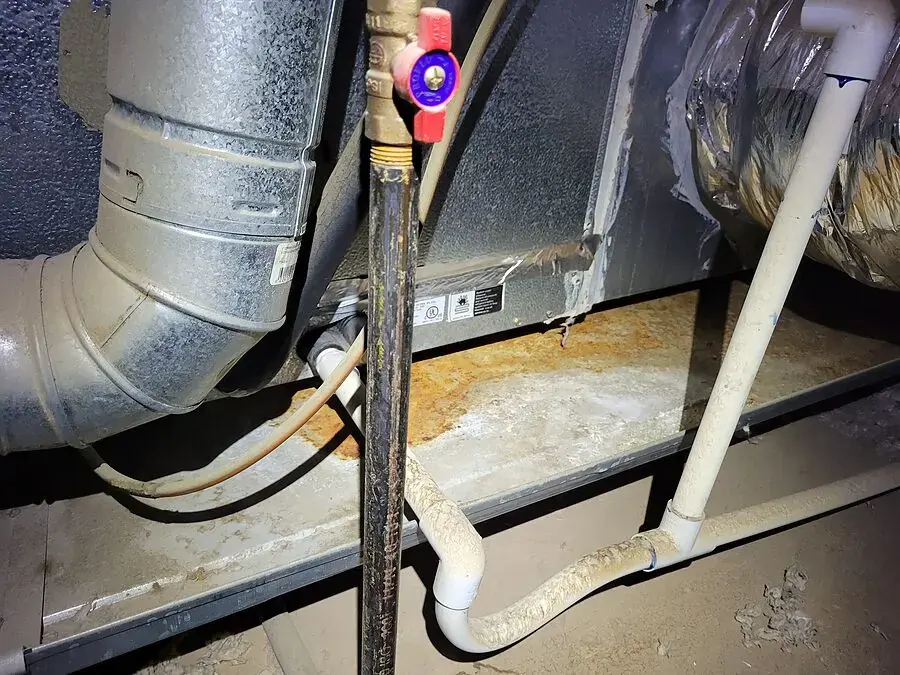
Step by step: AC condensate leak cleanup in Treasure Island, FL
Stop the overflow
The system is switched off and standing water is blotted or extracted.
Trace the water
A thermal camera and meter follow it from the air handler outward.
Remove wet insulation
Soaked insulation comes out, and the ceiling opens only if it sags.
Dry and confirm
Air movers and LGR units run until readings are back to normal.
First moves for AC condensate leak cleanup in Treasure Island
- Turn off the AC
Switch the system off at the thermostat so it stops making more condensate.
- Protect the electrical
Stay clear of wet outlets and the unit's wiring, and cut power at the breaker if water reached them.
- Blot and move items
Move boxes and stored items out of the closet or attic space and blot standing water.
- Photograph the stain
Take pictures of the pan, the wet floor or ceiling stain and any rust before cleanup.
- Call for drying
The response team dries the structure 24/7 while an HVAC technician fixes the drain.
What does AC condensate leak cleanup cost in Treasure Island, FL?
A wet closet floor from a clogged drain often stays near $800 to $2,000. Once the water reaches attic insulation or ceilings, the job moves into a higher range.
A wet closet floor
- Water extracted
- Baseboards pulled, wall dried
- Readings logged daily
Attic insulation and a ceiling
- Wet insulation removed
- Ceiling dried or cut open
- Moisture map of the area
A slow leak into walls
- Flooring and drywall removed
- Cavity drying
- Records for the claim
Each figure is a typical range, not a quote. Water category, wet square footage, material class and how soon drying began move the final number. The water damage cost calculator narrows it for your own loss.
An air conditioner pulls water out of humid air, and that water leaves through a condensate drain. When the drain clogs or the pan rusts through, the overflow lands wherever the unit sits, such as a closet floor, an attic or the ceiling below. Treasure Island's humid subtropical climate keeps systems running most of the year.
Where condensate water ends up
The path of the leak depends on where the air handler is installed:
- Closet units soak the floor, baseboards and nearby walls
- Attic units saturate insulation and stain the ceiling below
- Garage units wet slab edges and stored boxes
- Rusted drain pans drip slowly for weeks before anyone notices
Slow, repeated overflows are the sneaky ones, because drywall and insulation stay damp without ever showing a puddle.
Signs the drain is clogged
Catching a clog early can save a ceiling. Watch for these signs:
- Water in the drain pan or a wet spot near the air handler
- A musty smell near the closet or attic hatch
- A ceiling stain that grows after the system runs
- The system shutting off when a float switch trips
An HVAC technician clears the drain and repairs the pan, and local water damage experts handle the water that already got out.
How the damage is dried
The mitigation team extracts standing water, pulls wet baseboards and checks attic insulation with a meter. Insulation that is soaked comes out, because it holds water against the ceiling and will not dry in place.
Ceiling drywall is dried in place when it is firm and cut open when it sags. Air movers and LGR dehumidifiers then run until readings return to normal.
Wet contents stored in a closet or attic are moved out, checked and photographed before drying starts.
Trade fact: AC condensate is usually Category 1 or 2, but it collects dust and slime from the pan, so wet materials are not left to dry slowly.
Why a small leak can become a big one
A clogged drain can overflow every time the system runs, so a small spill can repeat for weeks. In humid air, wet insulation and drywall can start growing mold within 24 to 48 hours, which is why even a slow leak deserves attention.
The drying time estimator gives a rough schedule once the leak is found.
Records help too: dated photos of the pan, the stain and the readings show how the water moved.
AC Condensate Leaks questions in Treasure Island, FL
Why does an AC unit leak water?
Cooling pulls moisture from the air, and that water drains away through a condensate drain. If the drain clogs or the pan cracks, the water backs up and spills.
Is condensate water dirty?
It starts out close to clean, but it collects dust and slime in the pan and drain. That is why wet materials are dried promptly and soaked insulation is replaced.
Can wet attic insulation be saved?
Lightly damp batts can sometimes dry in place, but soaked insulation presses against the ceiling and holds water. It usually comes out so the drywall below can dry.
Do summer storms make this more likely?
Treasure Island has warm, humid summers with frequent thunderstorms, so systems run hard and drains work overtime. A clog that stays quiet in winter can overflow in July.
Who fixes the AC drain?
An HVAC technician clears the clog and repairs the pan or float switch. The restoration team handles the water damage, and the two jobs are scheduled so walls are not closed over damp spots.
How can a slow leak be spotted early?
Look for a stained ceiling, a musty closet or water in the drain pan. If the source is unclear, the water meter leak test rules plumbing in or out.
AC condensate leak cleanup across Treasure Island, FL
AC condensate cleanup covers closets, attics and ceilings in homes and condos from Isle of Capri to Sunset Beach, along Gulf Boulevard and through Paradise Island and Isle of Palms, all in ZIP 33706.
The same service nearby: AC condensate leak cleanup in Seminole, South Pasadena, Kenneth City.
Water around the air handler?
The Treasure Island water damage pros work 24/7 to extract the water, check the attic and ceiling and dry what the drain leak soaked.