Appliance and Supply Hose Leaks in Treasure Island, FL
A washer, dishwasher or fridge hose can fail while nobody is watching, especially in an empty unit or one that shares walls. The response team extracts, opens cabinet bases and dries the area 24/7.
(888) 621-2041Report a Treasure Island appliance leak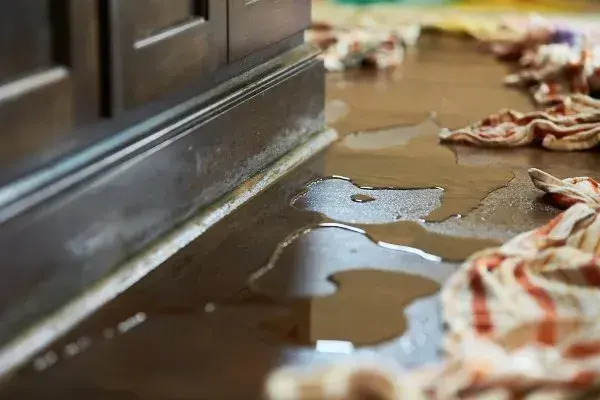
Step by step: appliance leak cleanup in Treasure Island, FL
Extract the water
Standing water is removed from the floor before it can spread.
Open the hidden spots
Toe kicks and baseboards come off so cabinet bases can be read.
Dry with airflow
Low air movers and mats push air through the cabinet base.
Confirm and record
Readings are checked against a dry reference and saved with the photos.
First moves for appliance leak cleanup in Treasure Island
- Stop the flow
Turn off the shutoff valve behind the appliance, or the main valve if it will not close.
- Unplug and stay dry
Unplug only if the outlet is dry, and cut the breaker if water is near it.
- Pull the appliance out
Slide the appliance out if it is safe and photograph the hose and fittings.
- Blot and lift
Soak up shallow water with towels and lift rugs and mats off the floor.
- Call for drying
The extraction crew handles floors, cabinet bases and walls 24/7.
What does appliance leak cleanup cost in Treasure Island, FL?
A hose leak on one kitchen or laundry floor often costs $900 to $2,500. If water reached cabinets, walls or several rooms, the cost calculator shows how the range climbs.
One kitchen or laundry floor
- Water extracted
- Floor dried in place
- Daily readings
Cabinets and walls affected
- Toe kicks pulled
- Cabinet bases dried
- Moisture mapped
Water in several rooms
- Flooring lifted
- Each room dried in turn
- Claim paperwork
Each figure is a typical range, not a quote. Water category, wet square footage, material class and how soon drying began move the final number. The water damage cost calculator narrows it for your own loss.
Most appliance leaks come from a hose, a fitting or a drain connection, not from the appliance itself. They matter most where units sit empty or share walls, and on Treasure Island an estimated 28.8% of units are held for seasonal or occasional use while an estimated 54.5% are in buildings with two or more units.
Where appliance leaks hide
Water from a hose rarely stays where it starts. It tends to collect in:
- The toe kick and base of kitchen cabinets
- Under dishwashers and beside refrigerators
- Laundry closets and the wall behind the washer
- Subfloor and flooring edges under cabinets
- The ceiling of the unit below, in a condo
Because the water runs under cabinets and flooring, the visible puddle is often the smallest part of the loss.
Opening cabinets and walls
The mitigation team extracts standing water, then removes toe kicks and checks cabinet bases, flooring edges and wall bottoms with a meter. Cabinets stay put when they can dry where they stand, and come out only when particleboard bases swell or water has traveled behind them.
Small holes in the toe kick let air flow through the cabinet base, and drying mats or low-profile air movers handle the floor.
Renters, owners and shared walls
An estimated 986 occupied homes on the island are renter-occupied, and an estimated 74.4% are owner-occupied, so a hose leak often involves a tenant, a landlord and a neighbor at once. Separate photos and logs for each unit keep the records clean for everyone.
Trade fact: A supply hose under constant pressure can fail without warning, so a leak found today may have been running for weeks. Wall and floor readings help show how long the water has been there.
Replacing hoses before the next leak
Once the area is dry, the fix is simple and cheap compared with a repeat loss. Braided hoses, accessible shutoff valves and a drain pan under the washer cut the odds of another flood. A plumber or appliance tech can check the connections while the walls are still open.
Appliance and Supply Hose Leaks questions in Treasure Island, FL
Which appliances leak most often?
Washers, dishwashers and refrigerator ice makers cause many leaks, usually at a rubber hose, a clamp or a drain connection that wears out.
Can cabinets be saved after a leak?
Solid wood cabinets often can, if the base dries quickly. Particleboard swells when it stays wet and usually has to be replaced, so toe kicks come off early to check.
What if the leak is in a rental or an empty unit?
The owner, manager or tenant gives access, and each unit is documented separately. In an empty unit, photos and readings help an adjuster judge how long the water ran.
Does a small puddle mean a small leak?
Not always. Water runs under cabinets and flooring, so a small puddle can sit on top of a wet subfloor and wall bottom. A moisture meter shows the real size.
How can the next hose leak be prevented?
Replace old rubber hoses with braided ones, keep shutoff valves reachable and set a drain pan under the washer.
How long does a kitchen floor take to dry?
Often three to five days for tile and wood over a sound subfloor, longer under cabinets. The drying time estimator gives a rough range, and readings decide the finish.
Appliance leak cleanup across Treasure Island, FL
Appliance leak cleanup covers kitchens and laundry closets in condos, rentals and single-family homes across the island, from Isle of Capri to Sunset Beach and along Gulf Boulevard, in ZIP 33706.
The same service nearby: appliance leak cleanup in Seminole, South Pasadena, Kenneth City.
Water under the kitchen cabinets?
Local water damage experts dry hose and appliance leaks 24/7, from the floor surface to the cabinet base and the wall behind it.