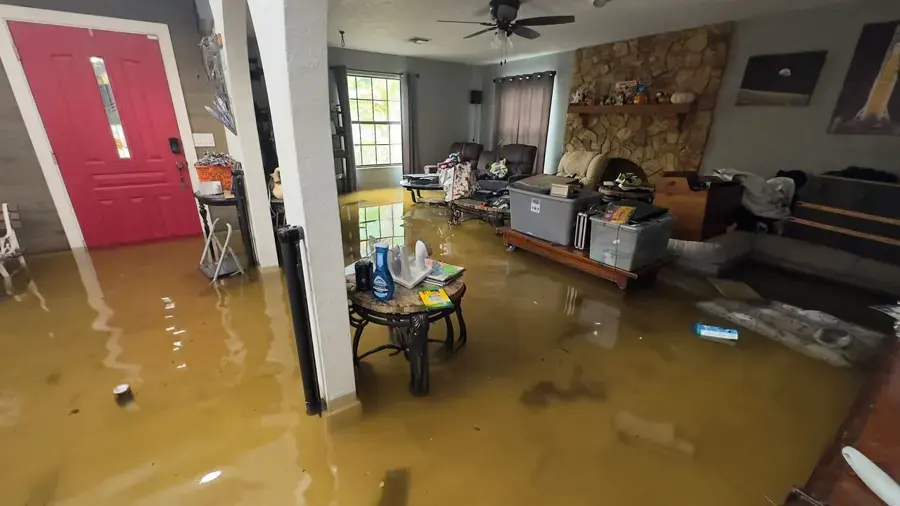
McKay Creek runs through southwest Largo, and its basin is prone to flooding. When the creek overflows into a house, the water that comes in is flood water, and it needs a different cleanup than a burst pipe.
Key takeaways
- McKay Creek flows through southwest Largo into the Intracoastal Waterway, and its basin is prone to flooding.
- Creek water that enters a house is treated as Category 3 water, so porous materials it soaked are removed, not dried in place.
- Photos, video and a list of damaged items taken before cleanup starts make a claim and any damage assessment easier to support.
- The City of Largo does not maintain private ponds or private drainage systems, and some flooding issues span Pinellas County and other jurisdictions.
- Drying starts after extraction and removal, and the equipment stays until moisture readings reach the dry goal.
What happened along McKay Creek
McKay Creek flows through southwest Largo and empties into the Intracoastal Waterway. Its basin is prone to flooding, and Allens Creek drains northeast Largo into Tampa Bay, so the city has more than one creek basin to watch.
Fox 13 reported that the creek overflowed after Hurricane Milton in 2024 and flooded Largo homes, and that residents near Church Creek reported flooding too. Residents pressed city leaders about it at a December 16, 2024 meeting that WFLA also covered.
Largo and Pinellas County have a high water table because of their coastal location, according to the City of Largo. The city also says flood risk is higher in neighborhoods between 10 and 30 feet above sea level.
In August 2024, Tampa Bay area rainfall reached a record 17.78 inches, above the previous record of 15.45 inches from 1915 and the August average of 8.39 inches, according to the City of Largo citing the National Weather Service. The city said the rain caused localized flooding in several neighborhoods at levels not seen in many years.
Why creek water is treated as contaminated
Water that rises from a creek has crossed yards, streets and storm drains before it reaches a floor. Under the IICRC S500 standard, flood water from outside is Category 3, meaning grossly contaminated.
That category decides what can be saved. Flood cleanup in Largo removes the porous materials that soaked up creek water and cleans and disinfects the hard surfaces.
What usually comes out
- Carpet and pad, which cannot be cleaned reliably after contact with flood water.
- Drywall and insulation below the water mark and the wet section above it.
- Particleboard cabinets, soaked mattresses and upholstered furniture.
- Wet baseboards and trim that cannot be dried and sanitized in place.
What can often be cleaned and dried
Concrete floors, tile, solid wood framing and many hard surface items are usually cleaned, disinfected and dried in place.
The first day after the water comes in
Safety comes before cleanup. Creek water can carry sewage, chemicals and debris, so wading through it or touching wet electrical equipment is risky.
Once the water has stopped rising and the area is safe, water extraction removes standing water so the floors and walls can begin to dry.
- Stay out of standing water near outlets, and leave the main breaker off if it was shut off for safety.
- Wear boots, gloves and a mask for any contact with flood water.
- Photograph and video every room, the height the water reached on the walls and damaged belongings before anything moves.
- Write down what was lost, with a rough age and value, for the claim.
- Keep children and pets out of the affected rooms.
How the drying works after extraction
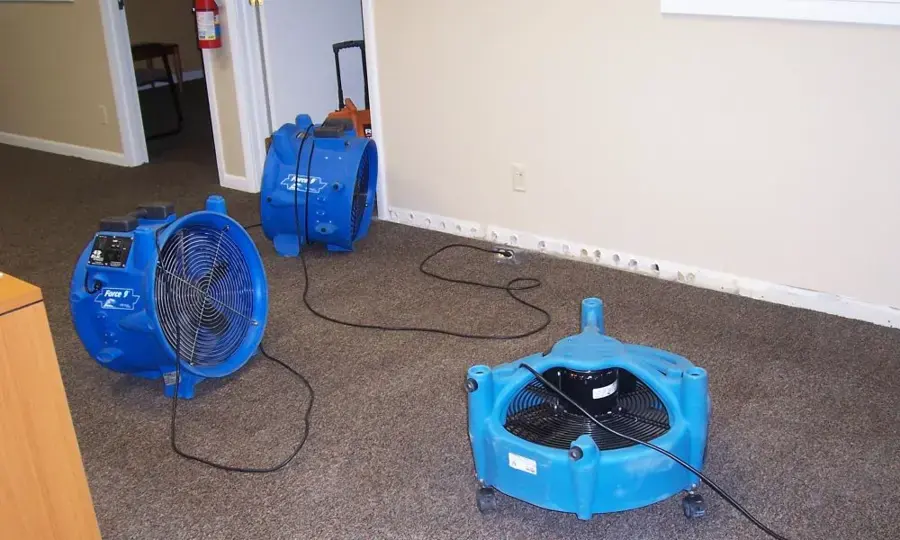
After the standing water is out and wet materials are removed, the structure still holds moisture in framing, subfloor and wall cavities. The drying team opens wall bottoms, sets air movers and dehumidifiers and checks readings every day.
The goal under the S500 standard is to dry each material to a dry standard taken from an unaffected part of the same building. Structural drying in Largo continues until the readings say the structure is dry, and speed matters because damp materials can start growing mold within 24 to 48 hours.
- Extraction: pumps and wet vacuums remove standing water first.
- Removal: wet porous materials are cut out and bagged.
- Cleaning: hard surfaces are cleaned and treated with an antimicrobial.
- Drying: air movers and dehumidifiers run until readings reach the dry goal.
- Records: daily moisture logs and photos document each step.
What the city says and what it does not cover
The City of Largo does not maintain private ponds or private drainage systems, and it notes that some flooding issues span Pinellas County and other jurisdictions.
Its Streets and Stormwater team runs a hot-spot program that inspects and clears blockages before known weather events in high-risk areas. The city also lists eight major stormwater projects totaling $35 million over five years, at locations including Allens Creek, Starkey Road, Clearwater Largo Road, Church Creek, Woodbrook and Yellow Banks Grove.
In flood hazard areas, Largo's building code requires buildings that make substantial repairs to elevate or rebuild to current flood safety standards. Homes in flood hazard areas damaged in Hurricanes Helene and Milton went through a Substantial Damage Inspection and Assessment Process.
Getting ready before the next heavy rain
The city's hot-spot program works on public drainage in high-risk areas, so what happens inside and around a house is up to the household. A few steps take little time and make cleanup easier if the creek rises again.
With a high water table, the ground is already wet when more rain falls, so belongings kept low are the first to suffer.
- Move valuables, documents and electronics off floors and low shelves.
- Find the main breaker and the water shutoff, and make sure everyone in the house knows where they are.
- Keep gutters, downspouts and any yard drains clear of leaves and sand.
- Photograph the house and its contents while everything is dry, so a later claim has a before picture.
- Keep insurance papers and a contact list in a waterproof bag.
Records that support the claim and the assessment
Many standard homeowners policies exclude flood damage, which is usually covered by a separate flood policy. The wording of each policy decides what is paid, so the insurer is the one to ask.
The restoration team's moisture logs, dated photos and itemized removal list give an adjuster and any city assessment the same record of what the water did. Keep receipts for emergency work as well.
The City of Largo takes part in the National Flood Insurance Program Community Rating System at Class 6, which gives a 20% discount on flood insurance policies in Special Flood Hazard Areas. Pinellas County's People First Hurricane Recovery Programs, listed by the city, support homeowners, tenants and landlords affected by Hurricanes Idalia, Helene or Milton.
For help in the area, see water damage restoration in Largo. The same standard applies in Seminole, where storm surge and flood cleanup follows the same steps.
Questions
Is creek flood water in a Largo house Category 3?
Yes. Flood water that comes from outside, such as a creek, is treated as Category 3, grossly contaminated water, under the IICRC S500 standard.
Can carpet soaked by creek water be saved?
Usually not. Carpet and pad that absorbed Category 3 water are removed, while some hard flooring can be cleaned and dried in place.
Does the City of Largo clear private drainage?
The city says it does not maintain private ponds or private drainage systems. Its hot-spot program covers blockages in high-risk areas before known weather events.
How long does drying take after a creek flood?
It depends on how much water came in and which materials got wet. The equipment stays until daily readings reach the dry goal, not for a set number of days.
What is the Substantial Damage Inspection and Assessment Process?
It is the process homes in flood hazard areas went through after Hurricanes Helene and Milton, according to the City of Largo. Largo's building code also requires substantial repairs in flood hazard areas to elevate or rebuild to current flood safety standards.
What should a household photograph before cleanup starts?
Each room, the height the water reached on the walls, damaged belongings and any visible source of water, with the date showing in the photos.