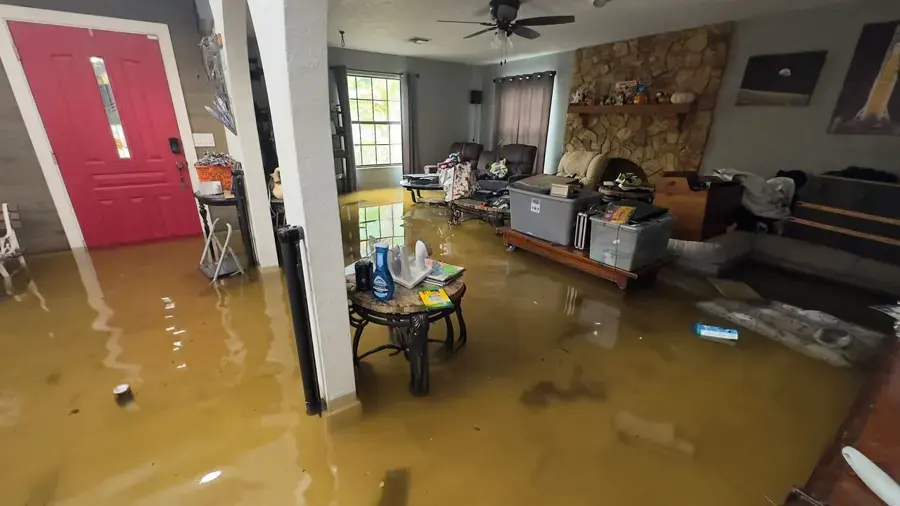
Hurricane Helene's storm surge reached Treasure Island on September 26, 2024, and the city describes a surge of 5 to 6 feet. Surge water leaves behind more than moisture, and the cleanup that follows has its own order of work.
Key takeaways
- The city describes a 5 to 6 foot surge on September 26, 2024, and the fire chief said every structure on the island had water in it, from two feet to six feet.
- Pinellas County officials counted 3,195 damaged homes on the island, more than 2,000 with major damage.
- Surge water is Category 3 water that also carries salt and sand, so porous materials come out and the sand is removed before drying begins.
- Sunset Beach is some of the lowest land on Treasure Island, and sand piled as high as home windows there after Helene.
- Moisture logs and dated photos support both the insurance claim and the city's damage determination.
What Helene's surge did on the island
Treasure Island is a barrier island city in the Gulf of Mexico, west of St. Petersburg. Hurricane Helene's storm surge flooded homes, businesses and city facilities there on September 26, 2024.
The city describes a surge of 5 to 6 feet. The fire chief said every structure on the island had water in it, from two feet to six feet, and Pinellas County officials counted 3,195 damaged homes on the island, more than 2,000 with major damage.
Sunset Beach is some of the lowest land in the city, and sand piled as high as home windows there. About two weeks after Helene, Hurricane Milton came ashore near Siesta Key as a Category 3 hurricane, and the city says it endured two weeks of back-to-back hurricanes.
Helene also destroyed the building that housed the city's fire rescue and police departments, and the main Public Works building was demolished after Hurricanes Helene and Milton.
Why surge water is a different kind of flood
Surge water comes from the Gulf and Boca Ciega Bay, not from a pipe. It is salty, it carries sand, silt and debris, and it can mix with sewage, which puts it in Category 3 under the IICRC S500 standard.
Storm surge and flood cleanup on Treasure Island therefore starts with removal and disinfection, not just fans.
Salt
Salt water corrodes metal and leaves residue that holds moisture. Appliances, electrical panels and air handler parts that sat in surge water need an expert look before they are powered up.
Sand and silt
Sand works into carpet, tile grout, door tracks and wall bottoms. It has to be shoveled and vacuumed out before drying equipment goes in, because it traps moisture and wears equipment down.
Sewage risk
Flood water can mix with sewage, which is one reason surge water is handled as Category 3. On October 3, 2024, the city's sewer system was running but not at full capacity, and residents were asked to limit water use.
Safety and records before cleanup starts
Surge water leaves hazards beyond the wet floors, so the first steps are about safety and records.
- Wait for the all clear on structural safety before going inside a flooded building.
- Treat the electrical system as live until a qualified electrician has checked it.
- Photograph and video each room before anything is moved or thrown out.
- Wear boots, gloves and a mask suited to dust and debris when handling wet material.
- Keep a list of belongings, with rough values, for the insurer.
What comes out first
The order of work protects people and speeds drying. Water and sand go first, then the materials that cannot be saved.
- Standing water and wet sand are pumped, shoveled and vacuumed out.
- Carpet, pad and soaked insulation are removed and bagged.
- Drywall is cut above the water mark and the wall cavities are opened.
- Particleboard cabinets, mattresses and upholstered furniture are removed.
- Hard surfaces such as tile, concrete and solid wood are cleaned and treated with an antimicrobial.
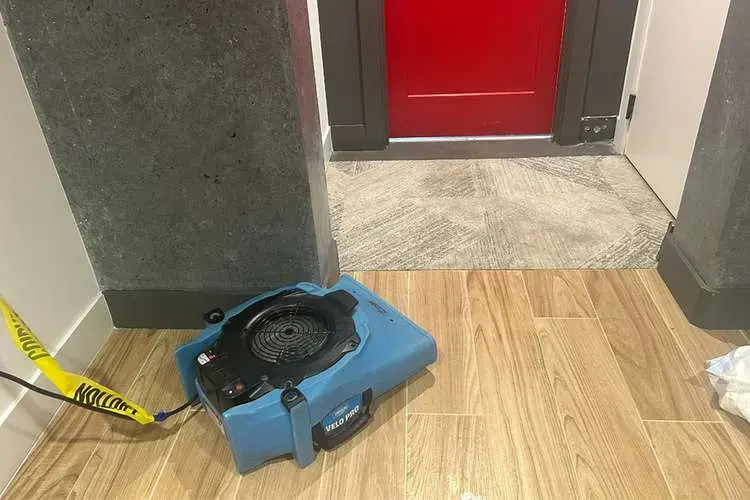
Drying an island home
Treasure Island has a humid subtropical climate with warm, humid summers and frequent thunderstorms, so the air itself works against drying. The drying team keeps the building closed, runs dehumidifiers and moves air with fans while moisture readings fall.
Water wicks up drywall above the visible mark, so the readings, not the stain, decide where the cut is made.
Structural drying continues until framing, subfloor and wall cavities reach a dry goal taken from an unaffected part of the building. Damp materials can start growing mold within 24 to 48 hours, so the clock matters.
- Dehumidifiers pull water out of the air so walls and floors can release moisture.
- Air movers push dry air across wet surfaces and wall bottoms.
- Moisture readings are logged daily and compared against the dry goal.
Tidal flooding and thunderstorm flooding between hurricanes
The city says many residents see tidal flooding throughout the year, and that a gravity drainage system does not work when the tide is above the road. More than two thirds of Treasure Island's total area is water, by Census measure.
Hurricane Idalia brought flooded streets on August 30, 2023 as the storm neared Florida's Big Bend, and the city had forecast a surge of 4 to 7 feet along the coast. On August 6, 2026, Reuters reported flash flooding on roads in Treasure Island after a fast-moving thunderstorm.
The city adopted its Watershed Management Plan in early 2021, replacing a 1996 Master Drainage Plan, to plan for sea level rise on the barrier island. Tidal water is still salt water, so it is treated as Category 3 when it enters a building.
Meters, valves and water service
After Helene, a precautionary boil water notice covered St. Pete Beach, Treasure Island and Tierra Verde. Pinellas County Utilities rescinded it on October 3, 2024, but Sunset Beach stayed without drinking water because sand and debris covered service valves at individual meters.
Fewer than 450 properties on the southern barrier islands were not getting adequate drinking water because of damage on the private side of their water service, and owners were hiring plumbers to repair it. A drying team and a plumber often work side by side after a surge.
Records, permits and what comes next
The city began substantial damage inspections the week of October 28, 2024, and by November 27, 2024 it had issued more than 160 hurricane recovery permits, with more than 115 ready to be issued. Under the National Flood Insurance Program, the city must complete a Substantial Damage Determination for all structures in the city.
Dated photos, a removal list and daily moisture logs give an adjuster and the city the same record of what the surge did.
As of September 2025 more raised, three-story homes were going up on Treasure Island, and several hundred homes were expected to need rebuilding. For local help, see water damage restoration in Treasure Island.
Seminole's storm surge and flood cleanup follows the same standard.
Questions
How high was the Helene surge on Treasure Island?
The city describes a surge of 5 to 6 feet. The fire chief said every structure on the island had water in it, from two feet to six feet.
How many Treasure Island homes were damaged?
Pinellas County officials counted 3,195 damaged homes on the island, more than 2,000 with major damage.
Why does sand have to come out before drying?
Sand traps moisture in carpet, grout and wall bottoms and wears out drying equipment, so it is removed first.
Can salt water damage be dried in place?
Hard materials such as concrete, tile and solid wood can often be cleaned, treated and dried in place. Porous materials that absorbed surge water are removed.
Is a damage determination required after flood damage?
Under the National Flood Insurance Program, the city is required to complete a Substantial Damage Determination for all structures in the city.
Is tidal flooding the same as storm surge?
No. Tidal flooding comes from the tide itself, while storm surge is water pushed ashore by a storm. The city says many residents see tidal flooding throughout the year.
Does the city inspect homes after a hurricane?
The city began substantial damage inspections the week of October 28, 2024. Under the National Flood Insurance Program it must complete a Substantial Damage Determination for all structures in the city.