Storm Surge and Flood Cleanup in Treasure Island, FL
Saltwater, sand and mud come with a surge, and on Treasure Island that means cleanup starts with extraction and a plan for every wet wall. The mitigation team works 24/7 and treats the water as Category 3 from the first step.
(888) 621-2041Call about Treasure Island surge damage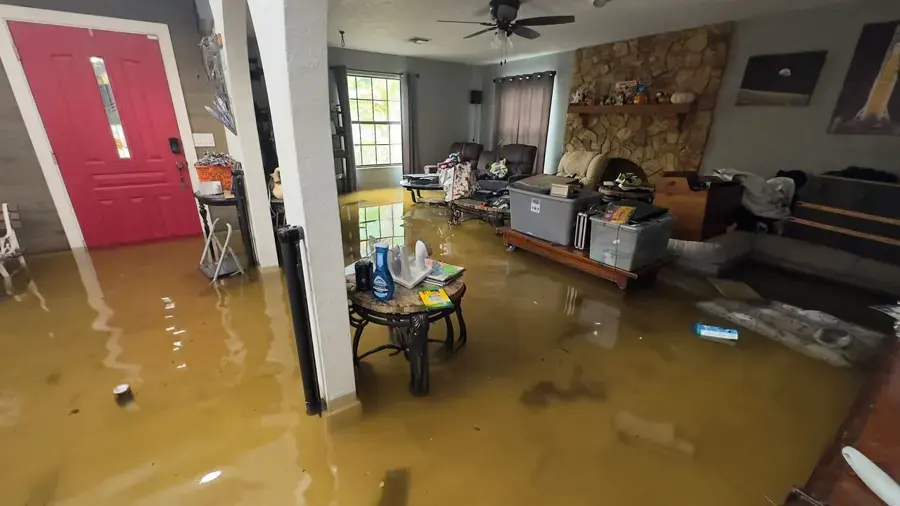
Step by step: storm surge and flood cleanup in Treasure Island, FL
Extract and clear
Pumps and extractors remove the water, then silt, mud and debris are shoveled out.
Cut and remove
Wet drywall, insulation and flooring that cannot be cleaned come out after photos.
Clean and treat
Remaining surfaces get an antimicrobial treatment while HEPA scrubbers pull dust from the air.
Dry and verify
Air movers and dehumidifiers run until readings match a dry reference.
First moves for storm surge and flood cleanup in Treasure Island
- Stay out of the water
Surge water hides debris, live wiring and contamination, so keep people and pets out.
- Cut the power
Turn off breakers for flooded areas only if the panel is reachable without standing in water.
- Photograph the waterline
Capture the high mark on every wall and the damage to floors and furniture.
- Skip the mop
Leave extraction and contaminated contents to a crew with pumps, PPE and a disposal plan.
- Call for surge cleanup
The response team takes surge calls 24/7, from extraction to final readings.
What does storm surge and flood cleanup cost in Treasure Island, FL?
A few inches of surge water in part of a home can start near $8,000, and a flooded ground floor often runs far higher once drywall, flooring and drying are counted. The cost calculator gives a first range for any room count.
Shallow surge in a few rooms
- Saltwater extraction
- Flood cuts where wet
- Antimicrobial wipe-down
The whole ground floor
- Drywall and insulation out
- Flooring pulled up
- HEPA scrubbing and containment
Deep surge across a building
- Large-loss crews
- Debris and contents removal
- Phased structural drying
Each figure is a typical range, not a quote. Water category, wet square footage, material class and how soon drying began move the final number. The water damage cost calculator narrows it for your own loss.
Treasure Island knows what a surge does. On September 26, 2024, Hurricane Helene's storm surge flooded homes, businesses and city facilities, and the fire chief said every structure on the island had water in it. Hurricane Idalia had already flooded streets on August 30, 2023. A surge is not a pipe leak: it pushes saltwater, sand and mud into every room it reaches.
What a surge leaves behind
Surge water leaves much more than a wet floor:
- Saltwater that corrodes metal and keeps materials damp
- Sand and silt packed into corners, tracks and vents
- Mud and debris that carry bacteria into the home
- Soaked drywall, insulation and cabinet bases
- Flooring and pad that cannot be saved
Sand is the stubborn part: it settles into floor tracks, wall bases and vents and keeps the building gritty and damp long after the water is gone. None of it counts as clean water, so porous materials the surge touched are removed and the rest is cleaned and treated.
How the cleanup runs
The extraction crew pumps out standing water first, then shovels out the silt and mud that settled behind it. Wet drywall and insulation are cut away above the waterline, and the cut height follows moisture readings rather than a guess.
Surfaces that stay are cleaned and treated with an antimicrobial, HEPA air scrubbers handle the dust that cleanup stirs up, and structural drying starts once the debris is out of the building.
Wet contents are sorted into items that can be cleaned and items that cannot, and the sorting is photographed for the claim.
Rules that shape the repair
On December 3, 2024 the City Commission chose to keep the 50% threshold for substantial improvement and substantial damage in its terrain modification rules. Repair costs that reach that mark are treated differently, so a surge job needs an itemized scope and dated moisture readings from the first day.
Photos of the waterline on each wall, taken before demolition, show how high the water stood.
Trade fact: Floodwater from outside the home counts as Category 3 however clear it looks, so porous materials it touched are removed instead of dried.
Tidal flooding between storms
Surge is not the only way water reaches the island. Many residents see tidal flooding all year, the city says, and a fast-moving thunderstorm on August 6, 2026 flooded roads in Treasure Island, according to Reuters. Salt left behind by tidal water can hold moisture in framing, so even a few inches deserve a moisture check before flooring is trusted.
Storm Surge and Flood Cleanup questions in Treasure Island, FL
Is surge water really Category 3?
Yes. Water that comes from the Gulf or the bay carries bacteria, silt and debris, so it is handled as Category 3 no matter how clear it looks.
How soon should flood cuts be made?
Wet drywall and insulation should come out quickly, since wet materials can start growing mold within 24 to 48 hours. The crew sets cut heights from moisture readings.
Can anything be saved after saltwater flooding?
Solid wood furniture, tile and some contents can often be cleaned and dried. Drywall, insulation, carpet pad and particleboard that were soaked usually cannot be saved.
Does the city's 50 percent rule affect cleanup?
It does not change how the water is removed, but it makes records matter. The city must complete a Substantial Damage Determination for every structure, so dated photos and readings help.
What about sand packed into floors and walls?
Sand is removed by hand and by vacuum before drying starts, because it holds moisture and wears down equipment. Sunset Beach had sand banked up to window height after Helene.
Does flood insurance pay for the cleanup?
A flood policy and a standard homeowner policy treat surge differently, so ask your insurer which one applies. The drying team supplies photos, readings and drying logs either way.
How long does surge drying take?
A few inches in one part of a home can dry in several days, while a flooded ground floor with concrete and wood can take much longer. Daily readings set the finish date, and the drying time estimator gives a first guess.
Storm surge and flood cleanup across Treasure Island, FL
Surge cleanup covers all four districts, from Sunset Beach, some of the lowest land in the city, where sand rose to home windows after Helene, to Isle of Capri and the homes along Gulf Boulevard.
The same service nearby: storm surge and flood cleanup in Seminole, South Pasadena, Kenneth City.
Floodwater or sand inside your home?
The extraction crew is ready 24/7 to pump, remove and begin drying, with photos and logs for the claim file.