Water Extraction and Removal in Treasure Island, FL
Standing water on tile, carpet or a ground floor spreads into walls fast. The extraction crew works 24/7 with truck-mounted pumps and portable extractors to get it out before drying starts.
(888) 621-2041Get Treasure Island water pumped out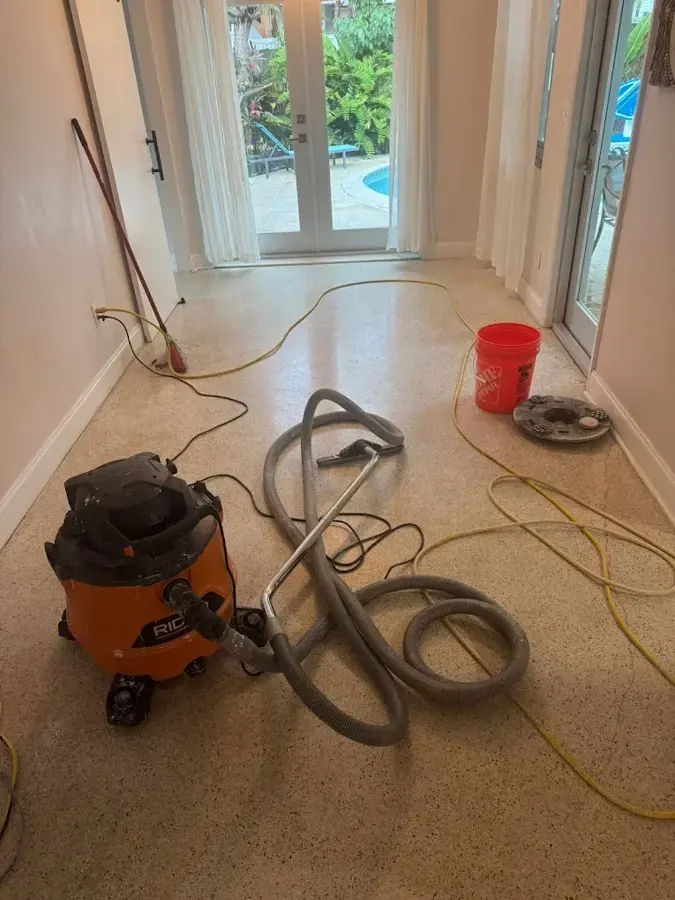
Step by step: water extraction in Treasure Island, FL
Assess the water
Category and depth are checked and photographed first.
Extract
Truck-mounted units, pumps and portable extractors take out every pooled inch.
Check what soaked in
Meters and a thermal camera find water in pad, baseboards and wall bottoms.
Hand off to drying
Air movers and dehumidifiers are set where readings stay high.
First moves for water extraction in Treasure Island
- Stop the source
Close the main valve or fixture valve so no new water joins the puddle.
- Check what is energized
Stay clear of outlets, cords and appliances in water until power is off at the panel.
- No house vacuums
Household vacuums are not made for water, so leave removal to pumps and extractors.
- Lift contents up
Raise furniture legs onto blocks and move rugs and boxes off damp floors.
- Call for extraction
The tech who does the walkthrough checks the water category and sets up pumps 24/7.
What does water extraction cost in Treasure Island, FL?
A single room of standing water can cost as little as $500 to $1,500, while deep or contaminated water costs more because of the pumps, protection and treatment involved.
One room of pooled water
- Wet extraction of the floor
- Quick moisture check
- Wet pad pulled if needed
Several rooms or a full unit
- Truck-mounted extraction
- Moisture map of each room
- Drying equipment set
Deep or contaminated water
- Pumps for deep water
- PPE and containment
- Antimicrobial treatment
Each figure is a typical range, not a quote. Water category, wet square footage, material class and how soon drying began move the final number. The water damage cost calculator narrows it for your own loss.
Standing water is the first emergency in almost every loss, and it is a real island risk. After Hurricane Helene the fire chief said every structure had water in it, from two feet to six feet, and the city says many residents see tidal flooding through the year. Speed matters, but so does sequence: contaminated water and clean water are handled differently.
What gets pumped out first
The mitigation team starts with the deepest water, using the right tool for each surface:
- Truck-mounted extractors for large, open floors
- Submersible pumps when the water is more than a few inches deep
- Portable extractors for stairs, closets and small rooms
- Squeegees and wet vacuums for tile, terrazzo and edges
Pumping alone is never the finish. Water that reaches carpet pad and baseboards keeps feeding the walls, so those materials are checked and pulled when they cannot dry in place.
When water has wicked into the walls
Water climbs drywall and wood by capillary action, sometimes well above the visible edge. A moisture meter and a thermal camera show where it stopped, so the true edge of the wet area is found by readings and not by eye.
Baseboards are pulled so the cavity behind them can be checked, and a small hole or flood cut lets air in when insulation is soaked.
In older buildings, finishes and insulation can hide water, so readings are taken in several spots per wall.
Standing water on a barrier island
Tides, thunderstorms and surge all put water where it does not belong here. Reuters reported flash flooding on Treasure Island roads after a thunderstorm on August 6, 2026, and the city notes that gravity drains cannot work when the tide is higher than the road.
Even a few inches of salty tidal water can leave salt behind in carpet and wood, so those materials are tested rather than assumed dry.
Trade fact: Clear-looking water can still be Category 2 or 3. The category is set by where the water came from and how long it sat, so it is checked before the first pump starts.
After the water is out
Once the standing water is gone the real drying begins. The restoration team sets air movers and dehumidifiers, logs readings and returns until the wet materials reach a dry goal, with photos for the adjuster along the way.
Furniture and contents are lifted onto blocks or moved out so they do not keep wicking from wet floors.
Water Extraction and Removal questions in Treasure Island, FL
Can a regular wet vac handle the job?
A shop vacuum can lift a little spilled water, but it cannot keep up with a soaked room. Truck-mounted and portable extractors remove far more water, far faster.
Does the water category change the price?
Yes. Category 3 water needs protective gear, containment and treatment, which is why deep or contaminated water costs more. The category is confirmed on the walkthrough.
How deep does water get before pumps are needed?
Once water is more than a few inches deep, submersible pumps and truck-mounted units move it faster than portable extractors can.
Is the floor safe to walk on while wet?
Wet tile, terrazzo and wood can be slick, and water near outlets or cords can be energized. Turn off power to the area first.
Is extraction enough, or does drying follow?
Extraction removes the pooled water, but moisture stays in pad, wood and drywall. Drying equipment and daily readings finish the job, and the drying time estimator shows the usual span.
What if the water came from the bay or Gulf?
Salt and tidal water count as Category 3 and carry silt, so crews use protective gear and clean the surfaces afterward. Storm surge and flood cleanup covers the full process.
Water extraction across Treasure Island, FL
Extraction crews work along Gulf Boulevard and the side streets of Paradise Island, Isle of Palms and Isle of Capri, near Gulf Front Park and Rosselli Park, anywhere in ZIP 33706.
The same service nearby: water extraction in Seminole, South Pasadena, Kenneth City.
Standing water in your house?
Crews keep truck-mounted and portable gear ready 24/7, so standing water can be cleared and drying can start.