Slab Leak Water Damage in Pinellas Park, FL
A leaking supply or drain pipe under a concrete slab can soak flooring for weeks before anyone notices. The drying team maps the wet area, removes what is ruined and dries the slab to a documented reading.
(888) 621-2041Call about a Pinellas Park slab leak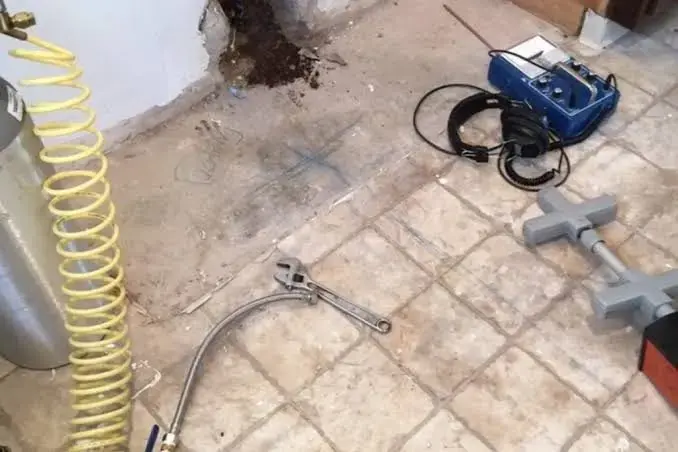
Step by step: slab leak water damage in Pinellas Park, FL
Stop the source
A plumber finds the break and repairs or isolates the pipe.
Map and remove
Moisture is mapped across floors and walls, then soaked carpet, pad and swollen baseboards come out.
Dry the concrete
Dehumidifiers, air movers and desiccant units draw moisture from the slab and the wall bottoms.
Prove it dry
Final readings are logged against a dry reference before any new flooring goes down.
First moves for slab leak water damage in Pinellas Park
- Check the meter
Turn off every fixture and watch the dial; a moving dial means an active leak.
- Shut the main
Close the main valve if the dial keeps moving, then call a plumber to find the break.
- Protect the floor
Lift rugs and small furniture onto foil or blocks in a dry room.
- Photograph first
Take dated photos of stains, warm spots and swollen baseboards before any flooring is cut or pulled.
- Call for slab drying
Share the meter result and the affected rooms so mapping and slab drying gear is ready.
What does slab leak water damage cost in Pinellas Park, FL?
Most Pinellas Park slab leak jobs land between $2,500 and $20,000 or more, depending on how many rooms of flooring are wet and how long the leak ran. The cost calculator gives a closer figure.
One room, found early
- Moisture mapping
- Baseboards and walls dried
- Slab dried under tile
Flooring across rooms
- Pad or wood removed
- Slab and cavities dried
- Daily drying logs
Long leak, whole house
- Flooring removed throughout
- Desiccant or heat drying
- Complete claim file
Each figure is a typical range, not a quote. Water category, wet square footage, material class and how soon drying began move the final number. The water damage cost calculator narrows it for your own loss.
A slab leak starts in a supply or drain pipe beneath the concrete floor, so the water you see is only the part that found a way up. The median Pinellas Park home was built in 1972, which makes decades of wear on household plumbing a fair general concern. The first job is deciding whether water is still running, because nothing dries under a live leak.
Signs that water is moving under the floor
Slab leaks hide well, so these clues matter:
- A warm patch on tile or wood floors
- Baseboards that stain, swell or pull from the wall
- A musty smell in a closed closet or hallway
- A water meter that keeps turning with every fixture off
Any one of these deserves a water meter leak test. If the dial moves with everything off, water is escaping somewhere between the meter and the fixtures.
Finding the leak before anything gets opened
The tech who does the walkthrough maps moisture with a meter and a thermal camera, then a plumber confirms the source with pressure or acoustic testing. Restoration work starts once the water is shut off or the pipe is isolated, since drying under a live leak never finishes. Cutting into the slab on a guess is the expensive mistake.
Concrete is porous and holds water long after the surface feels dry. Readings taken inside the slab and the wall cavities, not a hand on the floor, decide when the job is done.
What comes out and what stays
Carpet and pad that sat in water are removed, along with baseboards and the bottom of any wet drywall. Tile often stays if it is still firmly set and dries underneath. Engineered wood and laminate usually swell and have to go. Each removal is photographed first, so the claim file shows what was wet and why it was taken out.
Trade fact: a concrete slab keeps releasing moisture upward long after the pipe is fixed, so flooring goes back down only after slab readings meet the drying goal. Moisture sealed under new flooring is what makes it buckle and smell later.
Drying a slab the right way
Air movers alone barely touch a slab. The extraction crew pulls any surface water first, then LGR dehumidifiers pair with air movers, and desiccant units or floor drying mats join in where readings stall. Pinellas Park's humid subtropical climate makes the dehumidifiers the main workhorse, since damp outdoor air cannot carry moisture away. Equipment runs 24/7 until the readings stop falling, following the standards covered under structural drying.
Records that support the insurance claim
Policies often treat the pipe repair and the resulting water damage differently, so the adjuster's wording matters. Dated photos, daily moisture logs and equipment records show when the leak was found and what was done about it. The adjuster usually asks when the leak began, so the date of the first stain and the first meter reading are worth writing down. Related losses such as a burst pipe are documented the same way.
Slab Leak Water Damage questions in Pinellas Park, FL
How do I know a slab leak is under my floor?
A water meter that keeps moving with every fixture off, a warm floor patch, damp baseboards or a musty smell all point that way. A plumber confirms it with pressure or acoustic testing, and the restoration team then dries what the water reached.
Does the slab have to be broken open?
Not always. A plumber can often reroute the pipe overhead or tunnel to the break, and restoration dries only the concrete that is actually wet, using meters to find the edge of the damage.
Is a slab leak covered by insurance?
Policies usually split the pipe repair from the resulting water damage, and some exclude long-term seepage. The adjuster's wording decides, so dated photos and moisture logs help.
Can flooring stay in place while the slab dries?
Tile that is still firmly set often can, with moisture drawn out from below. Carpet pad, laminate and engineered wood that sat in water usually come out, because they swell and do not recover.
How long does slab drying take?
It depends on how much water the concrete absorbed and how humid the air is. Readings, not a calendar, decide when the equipment comes off, and the log shows each reading.
Why does the smell stay after the pipe is fixed?
Damp concrete and padding keep giving off moisture. Until readings match a dry reference, odors and humidity linger in the room, even with the plumbing repaired.
Which Pinellas Park areas get slab leak service?
Crews work across ZIP 33781 and 33782, including the Park Boulevard corridor, the Redevelopment District and the streets around Gateway; for neighboring cities, check the service area.
Slab leak water damage across Pinellas Park, FL
Slab leak calls run across ZIP 33781 and 33782, from the Park Boulevard corridor through the Redevelopment District, with the same leak mapping and slab drying gear used at every address.
The same service nearby: slab leak water damage in Seminole, Kenneth City, Largo.
Suspect a slab leak in Pinellas Park?
The response team works 24/7 on slab leaks, from the first meter check through documented dry readings and the paperwork your insurer needs.