Storm Roof Leak Water Damage in South Pasadena, FL
Wind-driven rain finds a lifted seam or a failed flashing, then soaks attic insulation and ceilings. The response team dries what the storm wet, around the clock, while the roofer handles the opening.
(888) 621-2041Get storm roof leak help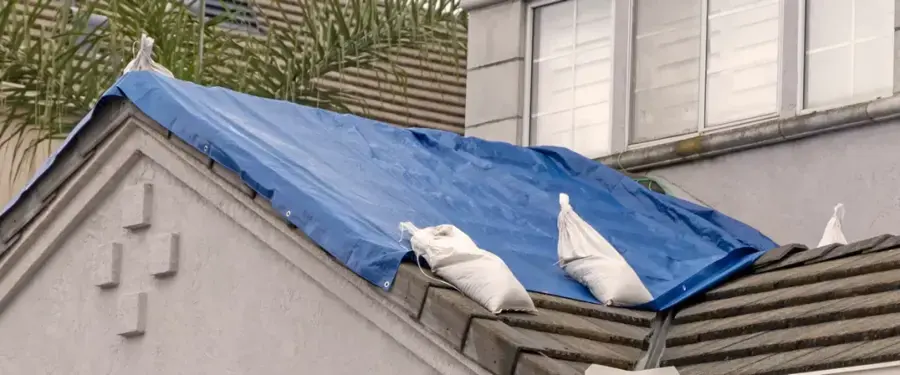
Step by step: roof leak water damage in South Pasadena, FL
Trace the water path
Meters and a thermal camera follow the leak from the attic downward.
Remove what cannot dry
Saturated insulation and sagging drywall come out first.
Dry the layers
Air movers and dehumidifiers work the attic, ceiling cavity and walls.
Verify and record
Readings and photos are logged until every layer reaches the dry goal.
First moves for roof leak water damage in South Pasadena
- Contain the drips
Set buckets under the leak and move furniture and rugs away.
- Protect the electronics
Unplug devices near the stain and keep ceiling lights off if water drips from them.
- Record the stain
Capture the stain and any visible storm damage from the ground before cleanup begins.
- Arrange a temporary cover
Ask a roofer for a tarp or temporary repair so more water stays out.
- Call the drying team
Dispatch runs 24/7, and attic checks start before the stain spreads.
What does roof leak water damage cost in South Pasadena, FL?
One ceiling stain caught early runs $1,000 to $2,500, wet attic insulation and drywall $2,500 to $7,000, and storm damage across several rooms $6,000 to $15,000+.
A single stain caught early
- Attic insulation checked
- Ceiling dried in place
- Readings each visit
Wet attic insulation and drywall
- Soaked insulation bagged out
- Ceiling drywall cut and dried
- Moisture map updated
Storm leaks in several rooms
- Ceilings and walls dried
- Floors protected or lifted
- Claim records kept
Each figure is a typical range, not a quote. Water category, wet square footage, material class and how soon drying began move the final number. The water damage cost calculator narrows it for your own loss.
Rain does not need a big hole. A lifted seam or a failed flashing is enough to soak attic insulation, which then holds water against the ceiling for days. The mitigation team traces the path from the roof opening down to the lowest wet room and dries each layer in turn.
What a storm roof leak soaks
Water from above usually works through several layers before it shows:
- Attic insulation that mats down and holds water
- Ceiling drywall that stains, sags or softens
- Wall tops and light fixtures below the leak
- Flooring and furniture under the wet ceiling
A brown stain is the last stage of that path, not the first, so the attic gets checked even when the ceiling looks only slightly damp.
Hurricane season and temporary repairs
Atlantic hurricane season runs from June 1 to November 30, and a storm can open a roof between one forecast and the next. A tarp or temporary repair stops more water from entering, and the drying team documents the opening before it is covered.
The roofer closes the opening, and the restoration team removes what the water already reached.
Drying ceilings and attics
Saturated insulation is bagged out because it does not recover, and the ceiling drywall below is dried in place when it can be saved or cut open when it sags. Air movers and dehumidifiers then work the cavity until the readings match a dry reference. The wider process is covered under ceiling leak water damage and structural drying and dehumidification.
Trade fact: a ceiling that has sagged is holding water above it, so a small controlled cut to release and inspect it is safer than waiting for it to fall.
Roof permits and repair records
The city's permit list requires a permit for roofing repairs and re-roofs, so the permanent repair follows its own paperwork. The dry-out records, with photos of the attic, the readings and each material removed, show the adjuster what the storm water reached.
Large buildings and shared roofs
About 75.5% of South Pasadena housing units are in buildings of 20 or more units, where one roof opening can wet several apartments. Each affected unit is mapped and logged separately, as described for condo and villa water damage.
Storm Roof Leak Water Damage questions in South Pasadena, FL
Who fixes the roof and who dries the ceiling?
A roofer repairs the opening, and the city's permit list requires a permit for roofing repairs and re-roofs. The restoration team handles insulation, drywall and moisture readings inside.
Does wet attic insulation have to be replaced?
Usually yes. Saturated insulation mats down, stays wet and keeps pressing water into the ceiling, so it is removed and replaced after the attic and ceiling read dry.
Should a sagging ceiling be cut open?
Yes, carefully. A sagging ceiling holds water above it, and a controlled cut releases the water and lets the cavity dry instead of risking a collapse.
When is storm season a bigger concern?
Atlantic hurricane season runs from June 1 to November 30, so tarps, attic checks and drying plans are worth thinking through before a storm forms.
Can mold start after a roof leak?
Wet insulation and drywall can support mold within 24 to 48 hours, so attic checks and drying come before cosmetic repairs.
What records help the claim?
Photos of the roof damage from the ground, the attic, each stain and the removed materials, plus daily readings, show the adjuster how far the storm water traveled.
Roof leak water damage across South Pasadena, FL
Roof leak calls come from top-floor condos, villas and houses across South Pasadena, including Sun Island and Pasadena Shores, and the drying team documents every ceiling and wall the storm water reached.
The same service nearby: roof leak water damage in Seminole, Treasure Island, Kenneth City.
Dry what the storm soaked
Insulation removal, ceiling drying and records are planned together, so a repaired roof is not hiding a wet ceiling.