Sewage Backup Cleanup in South Pasadena, FL
Sewage in a bathroom, hallway or shop is a contamination emergency, not a spill. The extraction crew works in protective gear, removes what cannot be cleaned and treats every surface the water touched.
(888) 621-2041Report a sewage backup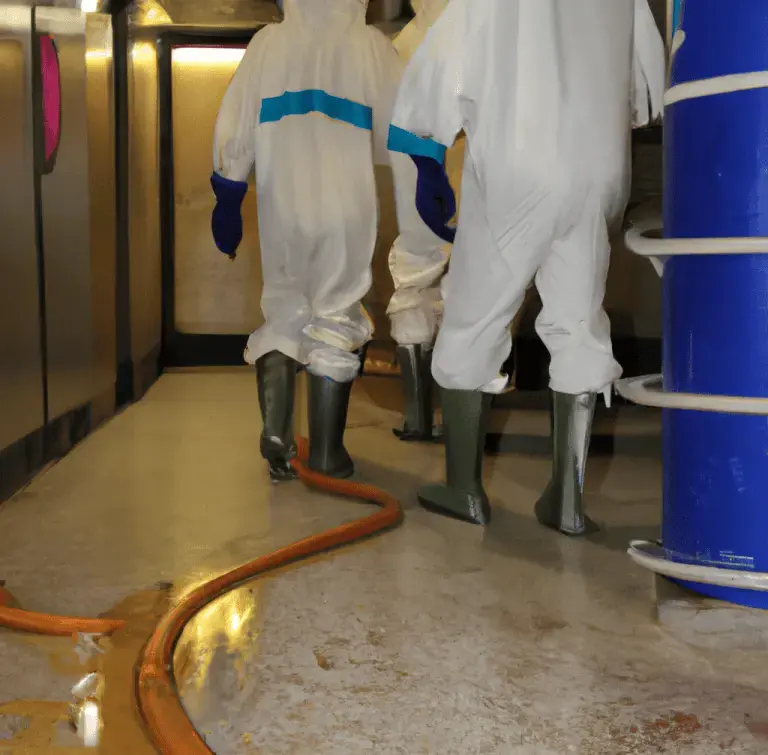
Step by step: sewage backup cleanup in South Pasadena, FL
Isolate and extract
Containment goes up and Category 3 water is pumped out in protective gear.
Remove porous materials
Carpet, pad, insulation and wet drywall are bagged and removed.
Clean and treat
Surfaces are cleaned, treated with antimicrobial and checked.
Dry and verify
Structural drying runs under HEPA air scrubbing until readings are dry.
First moves for sewage backup cleanup in South Pasadena
- Keep people away
Keep children, pets and visitors out of the affected rooms.
- Stop using the drains
Do not flush or run water until the backup is cleared.
- Avoid contact
Do not touch the water or wet items without gloves and boots.
- Photograph from the doorway
Capture the affected rooms from outside the wet area before anything is moved.
- Call the extraction crew
Dispatch runs 24/7 for Category 3 water, including nights and holidays.
What does sewage backup cleanup cost in South Pasadena, FL?
A contained bathroom backup costs $2,500 to $5,000, a bathroom and hallway $5,000 to $12,000, and several rooms or a business $10,000 to $25,000+.
One contained bathroom
- Contaminated water pumped out
- Surfaces treated
- Drying with readings
Bathrooms and hallway
- Carpet and baseboards out
- Flood cuts in wet walls
- Containment and HEPA scrubbers
Several rooms or a business
- Large-area removal
- Phased cleaning and drying
- Full claim records
Each figure is a typical range, not a quote. Water category, wet square footage, material class and how soon drying began move the final number. The water damage cost calculator narrows it for your own loss.
Sewage carries bacteria, viruses and parasites, so a backup is handled under strict protocol from the first step. The extraction crew isolates the area, removes standing water and takes out carpet, pad and wet drywall that cannot be made safe again. Anyone not in protective gear stays out of the affected rooms.
Why sewage is different
Three things change the job compared with clean water:
- Porous materials are removed rather than dried
- Surfaces are cleaned and treated, not only dried
- Containment keeps contamination out of clean rooms
- Waste is bagged and disposed of as contaminated debris
Hard surfaces that stayed wet only briefly can often be cleaned and saved, but carpet, pad, insulation and drywall that soaked up sewage do not recover. Surge floodwater is handled the same way, as covered under storm surge and flood cleanup.
Who handles what in the city
The city's Public Works Department maintains the sewer pipes and takes reports of sewer backup flooding. South Pasadena wastewater is treated at the City of St. Petersburg's Northwest Water Reclamation Facility under interlocal agreements, so the city's system and the restoration work are separate jobs.
Inside the building, cleanup, drying and disposal are restoration work, and the records list what was removed so the claim can be supported.
Why backups happen at the lowest drains
Backups push upward through the lowest openings, so floor drains, tubs and toilets on the ground level are the usual entry points. Backflow valves are one defense, and the cleanup crew notes where the water entered so that point can be checked.
Trade fact: a backflow valve only protects the pipes it sits on, so it needs regular testing, and it does nothing about water that enters through doors or windows.
Cleaning, treating and drying
After removal, hard surfaces are cleaned and treated with antimicrobial, HEPA scrubbers run behind containment, and the area is checked before drying equipment goes in. Structural drying then follows, as described under structural drying and dehumidification.
Permits and documentation
Because the city's permit list requires a permit for drywall work and for demolition of any kind, removed walls and ceilings are photographed and measured. Disposal notes, photos and readings go into the claim file together.
Sewage Backup Cleanup questions in South Pasadena, FL
Is a sewage backup an emergency?
Yes. Sewage carries bacteria and parasites, and it soaks porous materials quickly. Keeping people out and starting Category 3 extraction early limits how much has to be removed.
What does sewage cleanup remove?
Carpet, pad, baseboards, insulation and wet drywall that soaked up sewage come out, along with soft furnishings that cannot be cleaned. Hard surfaces are cleaned and treated instead.
Can a backflow valve prevent backups?
The city advises sewer backflow valves in case the sewer system is overwhelmed. A valve helps only on the pipes it protects, so it needs testing and does not stop surge water from entering.
Can carpet be saved after a backup?
Almost never. Carpet and pad that soaked up sewage are removed because bacteria stay in the fibers, even when the surface looks clean after extraction.
Is it safe to stay in the home during cleanup?
That depends on how far the backup spread. Contained jobs in one bathroom may allow it, while larger ones need the area sealed off, and the walkthrough sets the plan.
Does a backup need special disposal?
Yes. Removed carpet, pad and drywall are bagged as contaminated debris, and the disposal notes go into the claim records with the photos and readings.
Sewage backup cleanup across South Pasadena, FL
Sewage backups are handled in bathrooms, kitchens, hallways and shops across South Pasadena, including the Pasadena Avenue and Gulfport Boulevard corridors and the neighborhood of Pasadena Shores, with containment set up before any drying begins.
The same service nearby: sewage backup cleanup in Seminole, Treasure Island, Kenneth City.
Contain it, remove it, clean it
Containment, removal, treatment and drying are planned in order, so contamination stays out of the clean rooms and the claim has a full record.