Sewage Backup Cleanup in Treasure Island, FL
Heavy rain can push stormwater and groundwater into the city's aging sewer pipes, and a blocked or overloaded sewer can back up into a tub, toilet or floor drain. The restoration team contains it and treats it as Category 3, 24/7.
(888) 621-2041Call about a Treasure Island sewage backup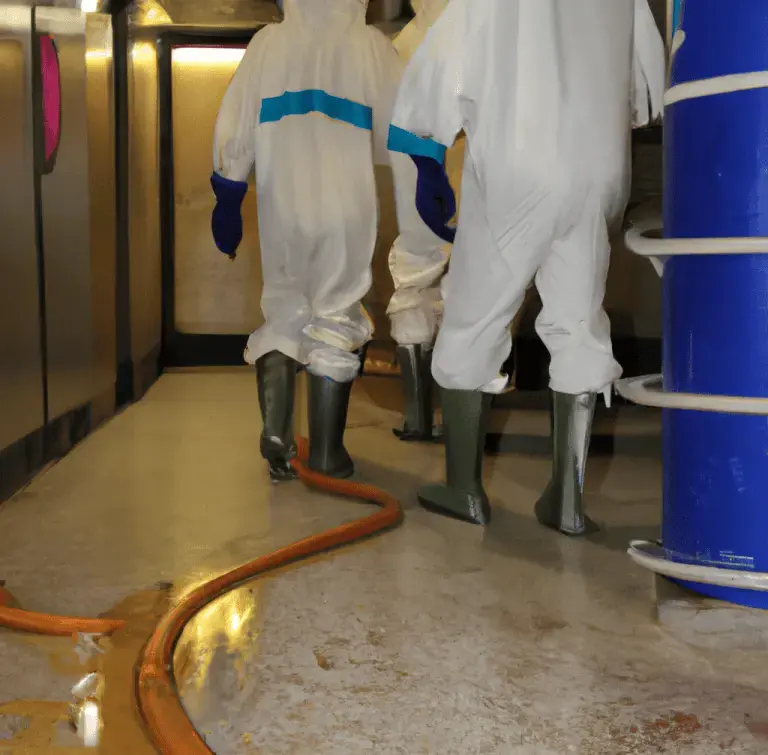
Step by step: sewage backup cleanup in Treasure Island, FL
Contain and protect
Plastic barriers, PPE and air scrubbers keep contamination in one area.
Extract the sewage
Pumps and extractors remove the contaminated water before anything is moved.
Remove and clean
Carpet, pad and wet drywall bottoms are cut out, and hard surfaces are cleaned and disinfected.
Dry and verify
Air movers and dehumidifiers run until readings match a dry reference.
First moves for sewage backup cleanup in Treasure Island
- Stay out
Keep people and pets out and stop using fixtures that drain into the pipe.
- Avoid contact
Wear boots and gloves if anything must be moved.
- Photograph from outside
Photograph the affected rooms from the doorway before cleanup.
- Check the cleanout
Confirm the cleanout is capped and have a plumber check the sewer pipe.
- Call for cleanup
The tech who does the walkthrough sets containment and starts extraction 24/7.
What does sewage backup cleanup cost in Treasure Island, FL?
A single contained bathroom backup often starts near $2,500, while sewage that reached hallways or several rooms costs more because more material has to come out. A business or large unit can reach the top.
A contained bathroom
- Contained extraction
- Surfaces disinfected
- Daily readings
Bathrooms and a hallway
- Carpet and pad cut out
- Wet wall bottoms removed
- HEPA air scrubbing
Several rooms or a business
- Large-area removal
- Phased cleaning and drying
- Claim documentation
Each figure is a typical range, not a quote. Water category, wet square footage, material class and how soon drying began move the final number. The water damage cost calculator narrows it for your own loss.
Sewage is the one water loss nobody should handle alone. It carries bacteria and viruses, so the work starts with protective gear, containment and a plan for what has to be thrown away. The city's own system shows the strain: its sewer pipes are mostly clay, laid between the 1940s and the 1970s.
Why backups happen on the island
The city says its wastewater pipes are aging and prone to breaks, and that stormwater and groundwater getting into the system can cause sanitary sewer overflows during heavy rain. The system includes gravity pipes, force mains, lift stations and pump stations.
On October 3, 2024, after Hurricane Helene, the city's sewer system was running but not at full capacity, and residents were asked to limit water use. In May 2026 the city announced $1.6 million in federal funds to reline aging clay sewer pipes.
Signs a drain is backing up
A single slow sink is usually a clog, but a sewer backup shows up in several places at once:
- Gurgling toilets or tubs when another fixture drains
- Slow drains in several fixtures at once
- Water or sewage in a floor drain or low tub
- A sewage smell near drains with no clear clog
The city asks property owners to check the pipe that runs from their property to the city sewer, reline or replace it when needed and keep the cleanout capped so rainwater cannot get in. A plumber can camera-inspect that pipe.
How a backup is contained and cleaned
The mitigation team seals off the area with plastic, sets HEPA air scrubbers and pumps out the contaminated water before anything else moves. Porous materials that touched sewage, such as carpet, pad, baseboards and the bottoms of drywall, are cut out and bagged. Hard surfaces are cleaned and disinfected, and the area is dried until readings are normal.
Trade fact: Sewage-soaked porous materials cannot be made safe by drying, so they are removed rather than saved, and the removal is photographed for the claim.
Staying safe and keeping records
Keep children, pets and anyone with health problems out of the area, and do not run fans that spread contamination. Dated photos, a list of removed materials and drying logs give an adjuster what is needed, and the response team keeps them for every sewage job.
Sewage Backup Cleanup questions in Treasure Island, FL
Is a sewage backup an emergency?
Yes. Sewage carries bacteria and viruses, so the area should be left alone until it is contained. The response team treats every backup as Category 3.
Why do backups happen after heavy rain?
Water that enters the pipes from rain and groundwater adds to the load, the city says, and an overloaded or blocked pipe can send water back toward the lowest fixtures in a building.
Can carpet and flooring be saved after sewage?
Not once sewage has soaked in. Carpet, pad and other porous materials are removed, while sealed hard surfaces such as tile can usually be cleaned and disinfected.
Will insurance cover a sewage backup?
Standard policies often treat sewer backup as a separate coverage or exclude it, so ask your insurer about backup coverage. Dated photos, removed materials and drying logs support any claim.
How long does sewage cleanup take?
Extraction and removal usually take a day or two, and drying follows for several days. The drying time estimator shows a rough range, and readings decide when the area is clear.
What about a backup in a shop or restaurant?
Businesses follow the same Category 3 steps with phased work and after-hours scheduling where needed. Commercial water damage covers the details.
Sewage backup cleanup across Treasure Island, FL
Sewage backup cleanup covers homes, condos and businesses across Treasure Island, from Isle of Capri and Isle of Palms through Paradise Island to Sunset Beach, along Gulf Boulevard, in ZIP 33706.
The same service nearby: sewage backup cleanup in Seminole, South Pasadena, Kenneth City.
Sewage coming up through a drain?
Local water damage experts contain and clean sewage backups 24/7, with protective gear and full records for the claim.