Slab Leak Water Damage in South Pasadena, FL
When a pipe fails beneath the slab, water can spread under tile and into wall bottoms for weeks. The restoration team, on call 24/7, finds the wet area, maps it and dries the concrete before flooring comes up.
(888) 621-2041Ask about slab leak drying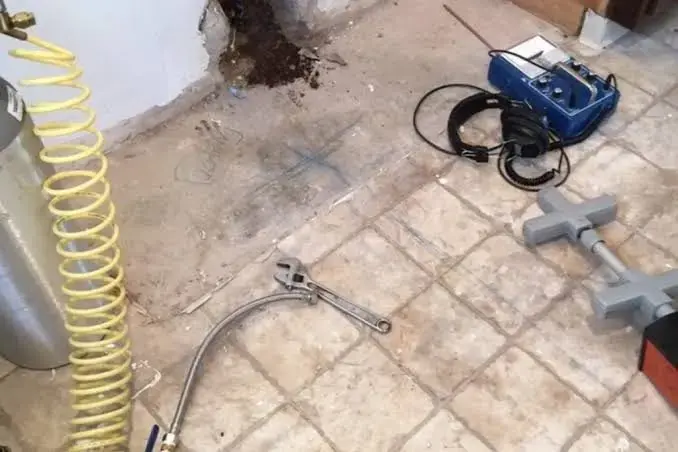
Step by step: slab leak water damage in South Pasadena, FL
Trace the wet area
Meters and thermal imaging outline the leak footprint across tile and wall bottoms.
Open only what is wet
Baseboards and wall bottoms open so air can reach the cavities behind them.
Pull moisture from the slab
LGR and desiccant units draw water from the concrete while air movers work the surface.
Verify with readings
Daily logs continue until slab and walls reach the dry goal, then the equipment leaves.
First moves for slab leak water damage in South Pasadena
- Confirm the leak
Shut every fixture off, watch the meter, then request a leak check first.
- Close the main valve
If the meter keeps moving, shut off water at the house and leave flooring alone.
- Protect nearby items
Lift rugs and boxes off the floor and open closet doors along wet walls.
- Photograph before cutting
Photograph the floor, baseboards and meter reading before any tile or trim is touched.
- Bring in the drying team
Dispatch runs 24/7, and moisture mapping starts at the first visit while the plumber is booked.
What does slab leak water damage cost in South Pasadena, FL?
Slab leak jobs usually run $2,500 to $5,000 when caught early, $5,000 to $12,000 when several rooms of flooring are involved, and $10,000 to $20,000+ for long leaks that spread through the house.
Small area caught early
- Moisture map and plan
- Wall bottoms and trim opened
- Slab dried under finishes
Several rooms of flooring
- Damaged pad or planks removed
- Slab and cavities dried
- Daily drying logs
A long leak across the house
- Flooring out across rooms
- Desiccant or heat drying
- Full claim records
Each figure is a typical range, not a quote. Water category, wet square footage, material class and how soon drying began move the final number. The water damage cost calculator narrows it for your own loss.
A slab leak is a pipe failure inside or beneath the concrete floor, and the water spreads sideways into flooring, baseboards and wall bottoms before anyone sees a puddle. The restoration team finds the wet footprint first, then dries slab, walls and finishes in the right order.
Signs a pipe is leaking under the floor
Residents usually notice one of these first:
- A water meter that keeps spinning with every fixture shut off
- Warm or damp spots on a tile or concrete floor
- Cracked grout, lifted tile or a musty smell near the baseboards
- A water bill that climbs with no change in use
The water meter leak test separates a slab leak from a running toilet or a dripping faucet before anyone opens a floor.
How the wet area gets mapped
Moisture meters and a thermal camera trace the edge of the wet zone across tile, baseboards and the lower wall, and the readings are marked on a sketch of the floor plan. That map decides where tile stays, where trim comes off and where the slab itself needs equipment.
Water travels under flooring and along the concrete, so the wet area is often larger than the stain suggests. That is why the map comes before any cutting. A second pass with a hygrometer checks the room air, because humid air slows drying even when the slab is nearly done.
Why the concrete needs its own drying plan
Concrete holds water far longer than drywall, so a slab can keep feeding moisture into flooring and wall bottoms after the surface looks dry. LGR dehumidifiers pull vapor from the room, and desiccant units take over when the slab is slow to let go. Equipment is placed from the moisture map, with air movers aimed along wet walls and dehumidifiers sized to the room, then adjusted after each day's readings. Related work is covered under structural drying and dehumidification.
Trade fact: tile and sealed floors trap vapor over a wet slab, so drying the room air alone is not enough. Readings taken on the concrete itself decide when the equipment can leave.
Plumbing repair, permits and the claim
The pipe repair belongs to a plumber, and the city's permit list includes water pipe and drain pipe replacement, so that paperwork sits with the plumbing work. The drying side runs in parallel, and the team keeps photos, moisture maps and daily logs that show the adjuster how far the water traveled and what was removed.
A leak check report, the plumber's findings and the drying logs together tell the adjuster when the leak began, what it reached and what was done about it.
When a slab leak runs unnoticed
About 18.1% of South Pasadena housing units are vacant but kept for seasonal or occasional use, and a leak in an empty unit can run a long stretch before anyone sees it. Longer runs usually mean flooring comes up, so documentation matters even more. About 44.2% of occupied homes are renter-occupied, so tenants often spot a damp floor or a high bill first and need to tell the owner or manager early.
Slab Leak Water Damage questions in South Pasadena, FL
How can I tell a slab leak from a surface spill?
A meter that spins with every fixture off, warm floor spots and damp grout are the usual signs. A leak check confirms it, because a surface spill dries and a slab leak keeps feeding the floor.
Does a slab leak always mean tearing up the floor?
Not always. Tile and baseboards often stay while the slab dries underneath, but carpet pad, laminate and wood usually cannot be saved once they wick moisture, so those come up first.
Who repairs the pipe and who dries the slab?
A plumber repairs the pipe, and water pipe or drain pipe replacement is on the city's permit list. The drying team handles moisture mapping, equipment and daily logs, so both jobs can run side by side.
How long does slab drying take?
Concrete dries slowly, so the length depends on the slab's moisture, the flooring on top and the humidity in the room. The drying time estimator gives a rough range before the first readings.
Will insurance cover a slab leak?
Whether a slab leak is covered depends on the policy terms and the cause, so the file should show how the water traveled. Photos, moisture maps and daily logs make that clear to the adjuster.
Can mold start from a slab leak?
Yes, wet baseboards and drywall can grow mold within 24 to 48 hours, which is why mapping and drying begin before the repair work is finished.
Do vacant units need different handling?
Yes. About 18.1% of South Pasadena housing units are vacant but kept for seasonal or occasional use, so a leak may have run a long time, and the crew expects deeper moisture in flooring and wall bottoms.
Slab leak water damage across South Pasadena, FL
Slab leak calls come from homes, villas and ground-floor units across South Pasadena, including Pasadena Isle, Sun Island, Bay Island and Pasadena Shores, and the same crew handles mapping, drying and records.
The same service nearby: slab leak water damage in Seminole, Treasure Island, Kenneth City.
A wet slab needs a drying plan
Moisture mapping, slab drying and claim records are handled together, so the leak repair and the dry-out stay on one schedule.